Welcome to Good Used Cameras — Honest Gear Advice from Someone Who’s Been Behind the Glass for 25 Years
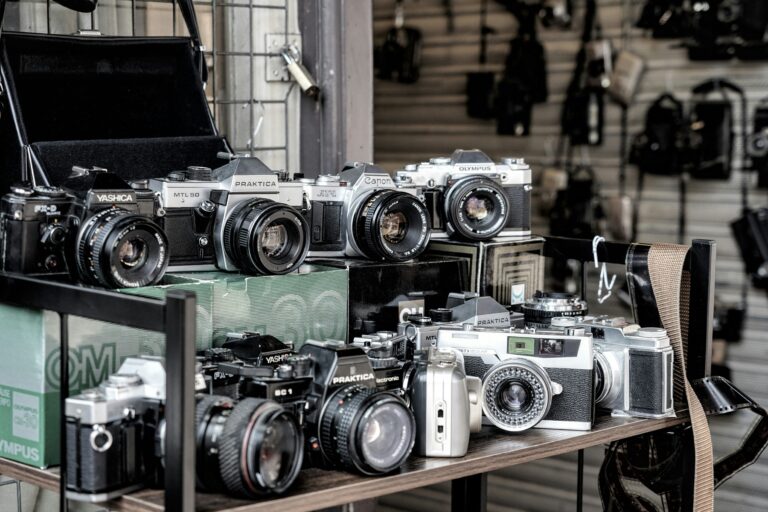
Used camera lenses Canada — collection of used camera lenses and bodies at Good Used Cameras British Columbia
Used camera lenses Canada — collection of used camera lenses and bodies at Good Used Cameras British Columbia
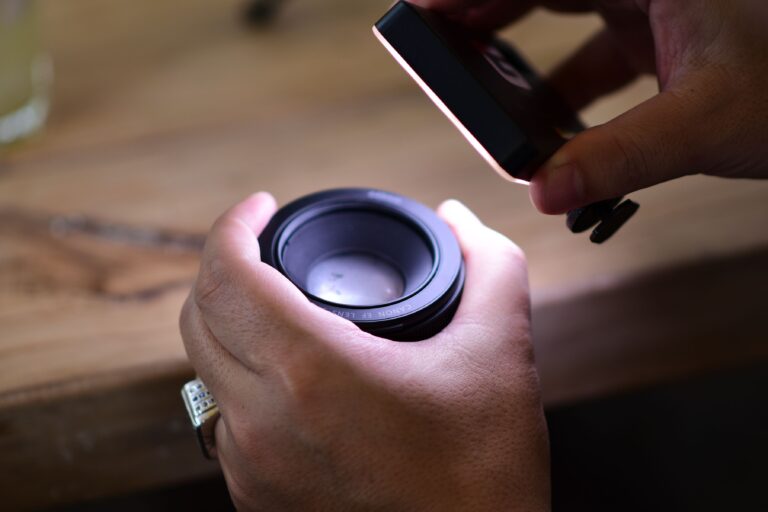
5 Compelling Reasons to Shop Smart Why Buy Used Camera Gear? 5 Compelling Reasons to Shop Smart There is a moment every photographer knows. You find the lens you want, check the price new, and quietly close the tab. The budget isn’t there — not for new. But the creative vision is. That gap between…
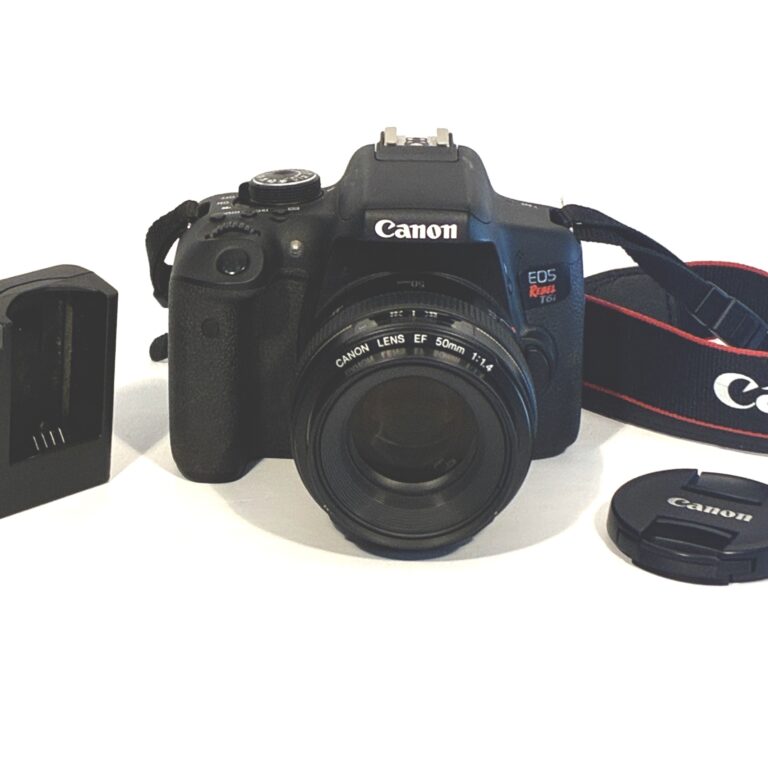
Is buying a used camera safe when compared to buying a new one? The short answer is yes, as long as you buy from a seller who tests the equipment, discloses its condition honestly, and stands behind the sale with a warranty and return policy.
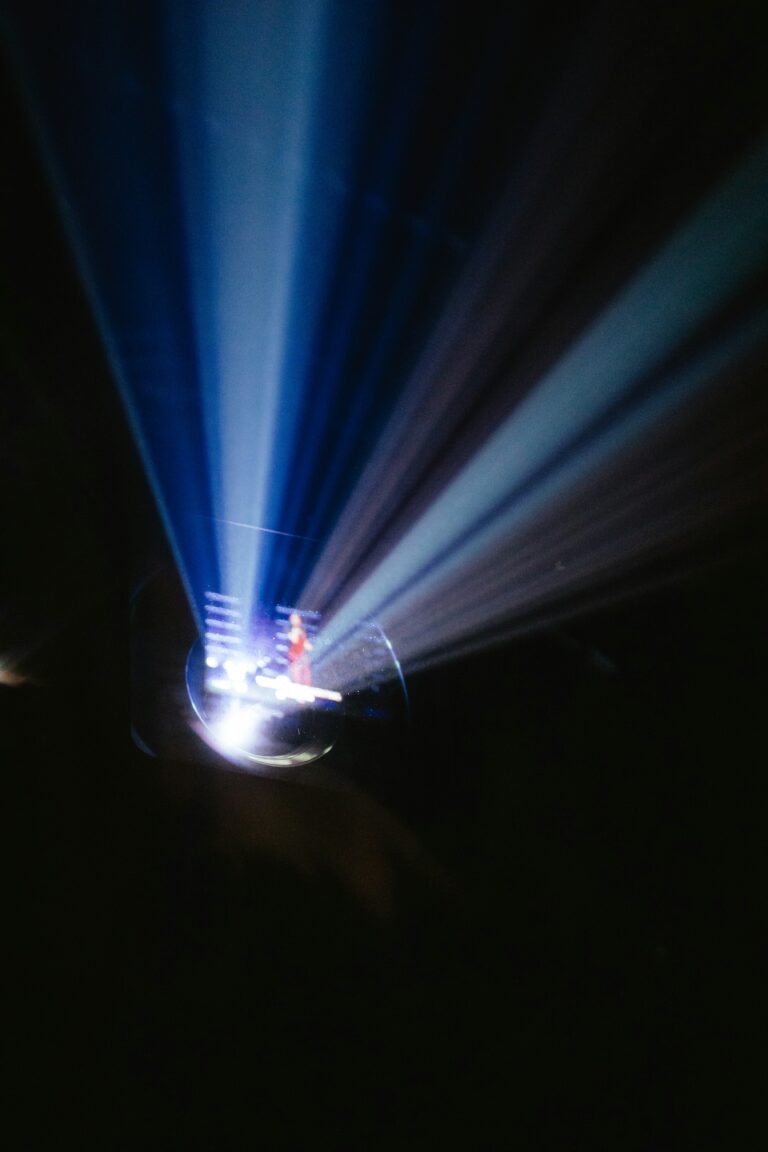
How a Camera Works — Light, Lenses, and Sensors Explained How a Camera Works — Light, Lenses, and Sensors Explained Every photograph begins with a single physical event: light reflecting off a subject and travelling toward your camera. Understanding how a camera works — what happens from that first moment of light entering the lens…
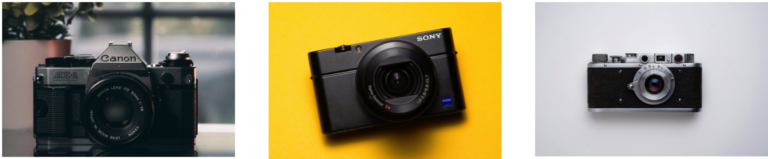
DSLR POINT & SHOOT FILM Lesson 2: DSLR vs. Mirrorless vs. Point-and-Shoot — Understanding the Three Types of Cameras In Lesson 1, we covered how a camera works at the component level: lens, aperture, shutter, sensor. But before you can put any of that to use, you need to actually choose a camera — and…
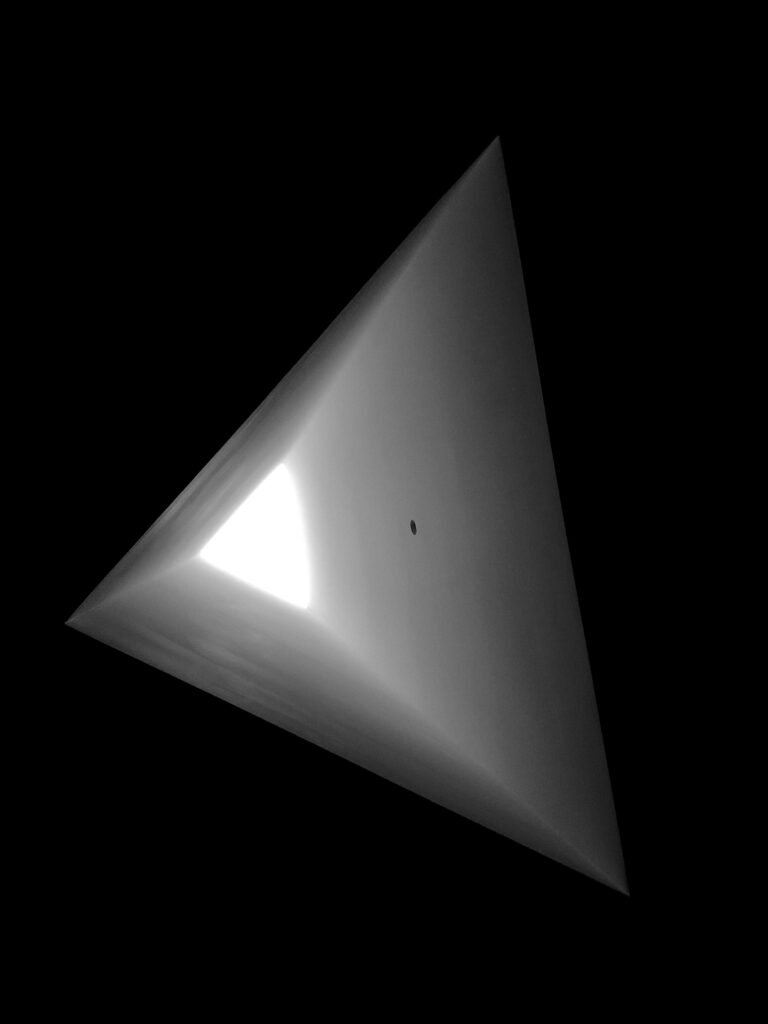
Lesson 3: The Exposure Triangle — How ISO, Aperture, and Shutter Speed Work Together In Lesson 2, we compared DSLR, mirrorless, and point-and-shoot cameras. Whichever type you own, every single photo it takes is governed by the same three settings, working together: aperture, shutter speed, and ISO. Photographers call this relationship the exposure triangle, and…
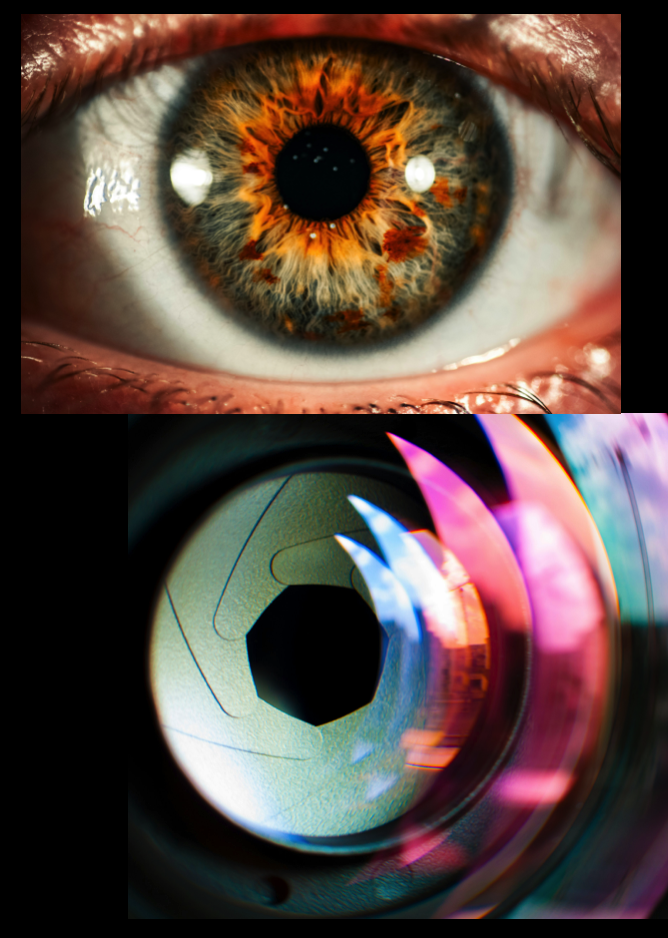
Lesson 4: Understanding Aperture — f-Stops, Depth of Field, and Bokeh In Lesson 3, we introduced the exposure triangle and touched on how aperture affects both exposure and depth of field. Now it’s time to go deeper. Aperture in photography is arguably the most creatively powerful setting on your camera — it doesn’t just control…
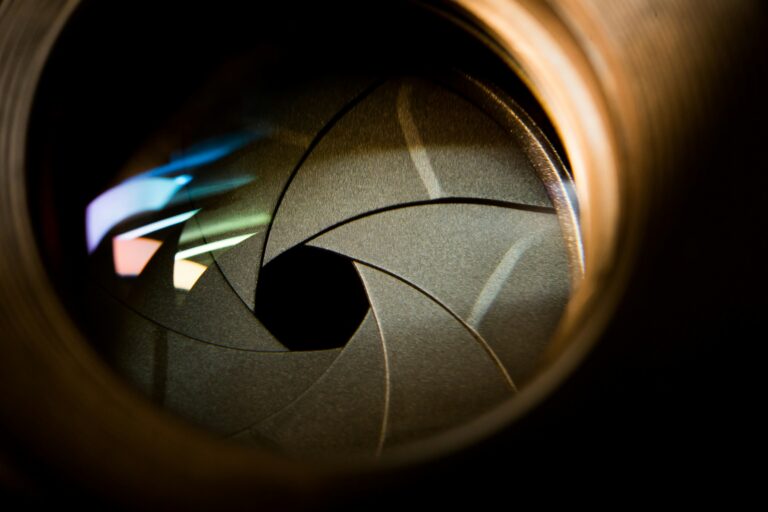
Lesson 5: Understanding Shutter Speed — Freezing and Blurring Motion In Lesson 4, we covered aperture — the setting that shapes depth of field and bokeh. Shutter speed is the second corner of the exposure triangle, and it governs something aperture can’t touch: how motion appears in your photo. The same scene, shot at two…
Lesson 6: Understanding ISO — Light Sensitivity and Noise Aperture and shutter speed, from Lessons 4 and 5, both control light by physically changing how much of it reaches the sensor. ISO is different — it doesn’t touch the amount of light coming in at all. Instead, it controls how sensitive the sensor is to…
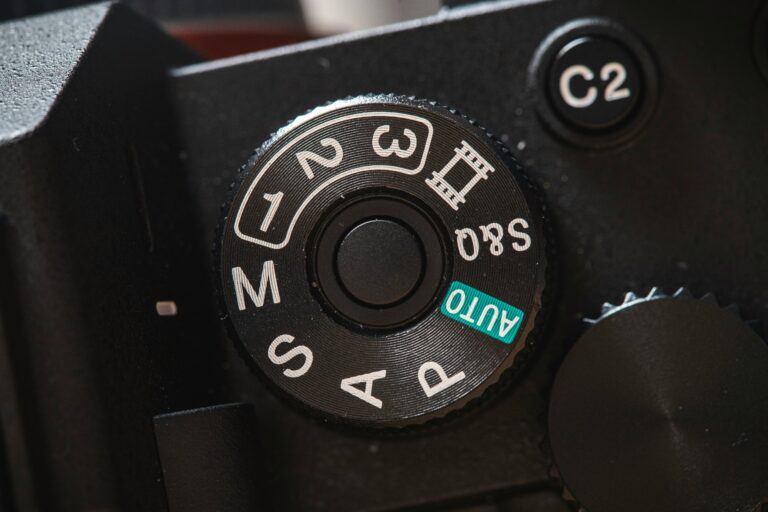
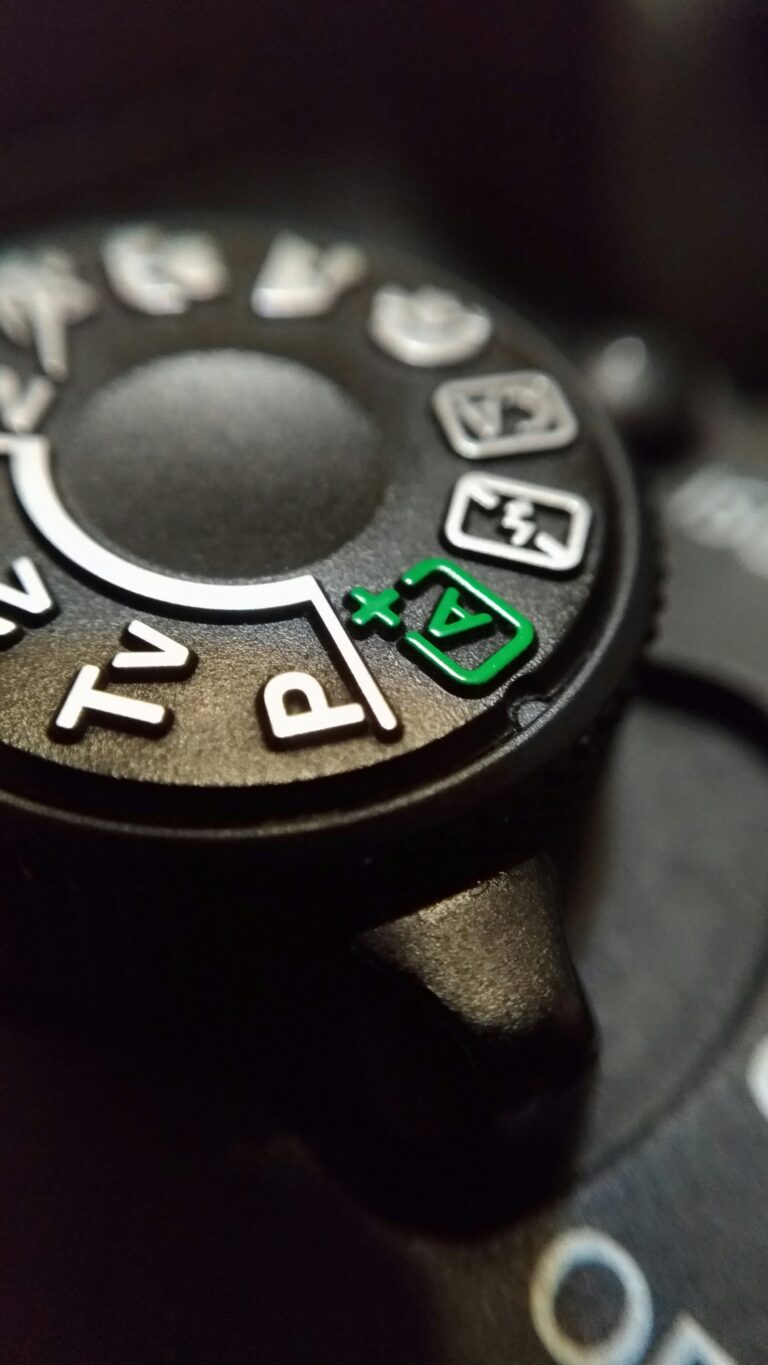
Lesson 7: Camera Modes Explained — Auto, Program, Aperture Priority, Shutter Priority, and Manual Lessons 3 through 6 covered the exposure triangle piece by piece: aperture, shutter speed, and ISO. Now it’s time to bring them together. Every camera mode explained in this lesson — Program, Aperture Priority, Shutter Priority, and Manual — is really…
Lesson 8: Autofocus Explained — AF Modes, Focus Points, and When to Use Manual Focus Camera modes, from Lesson 7, control exposure. Autofocus is a separate system entirely — it controls sharpness, and getting it wrong is one of the most common reasons a beginner’s photo looks disappointing even when the exposure is perfect. This…
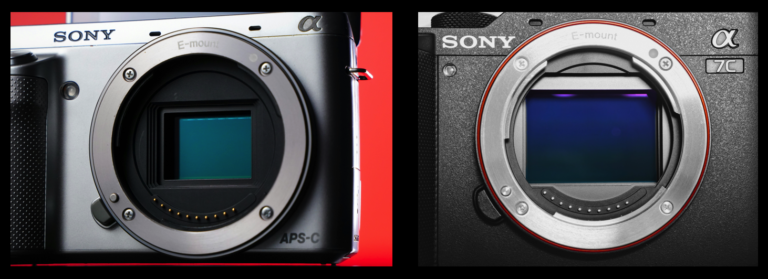
Lesson 9: Crop Sensor vs. Full Frame — What Sensor Size Actually Changes Every DSLR and mirrorless camera has one of two main sensor sizes: crop sensor (called DX by Nikon) or full frame (called FX by Nikon). Both the Nikon D3500 and D5500 we’ve referenced throughout this course are DX, crop-sensor cameras — which…
Lesson 10: Choosing Your First Camera — A Beginner’s Buying Framework Nine lessons in, you now understand more about how a camera actually works than most people ever learn: the exposure triangle, aperture, shutter speed, ISO, camera modes, autofocus, and sensor size. This final lesson brings it all together into a practical buying framework —…
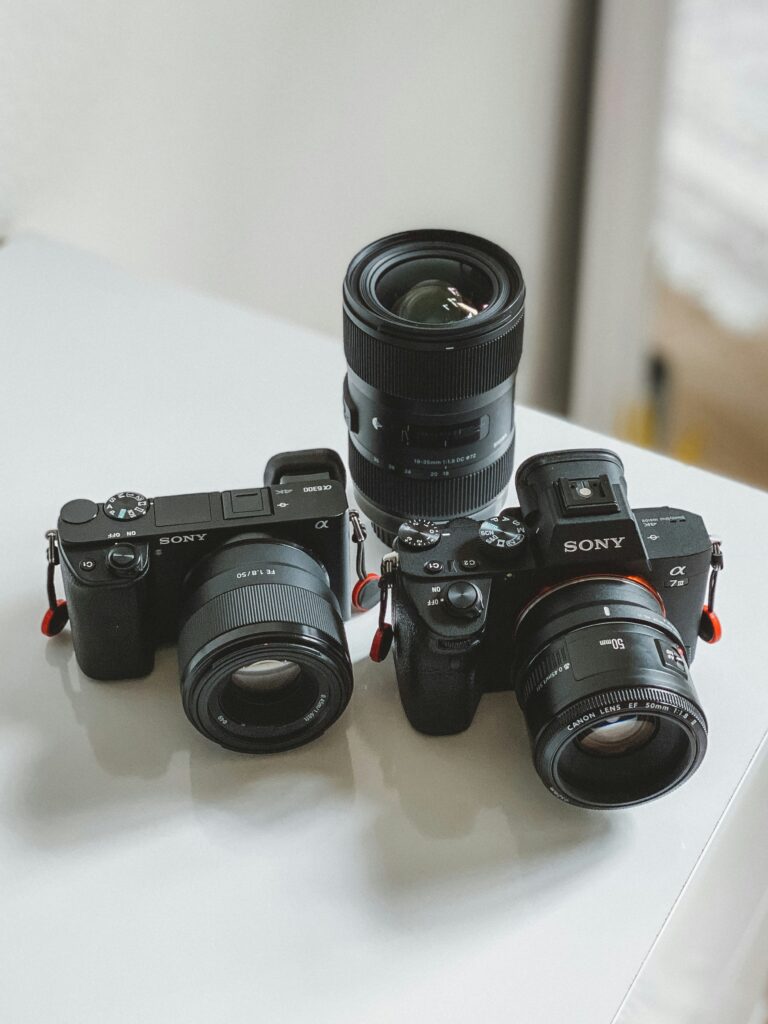
The Lens Is the Camera: Why Glass Comes First When Building a Camera Kit
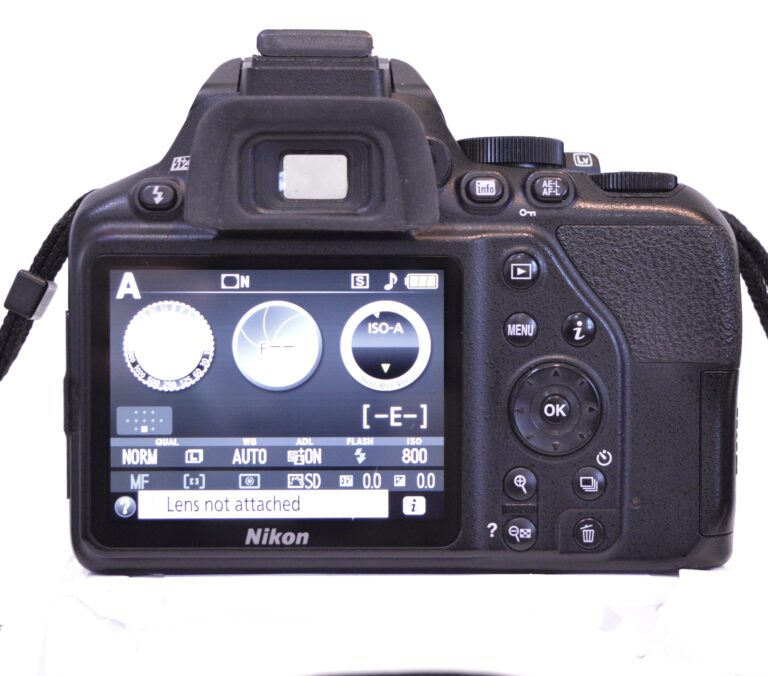
The good news is that these numbers are not complicated once someone explains them plainly.
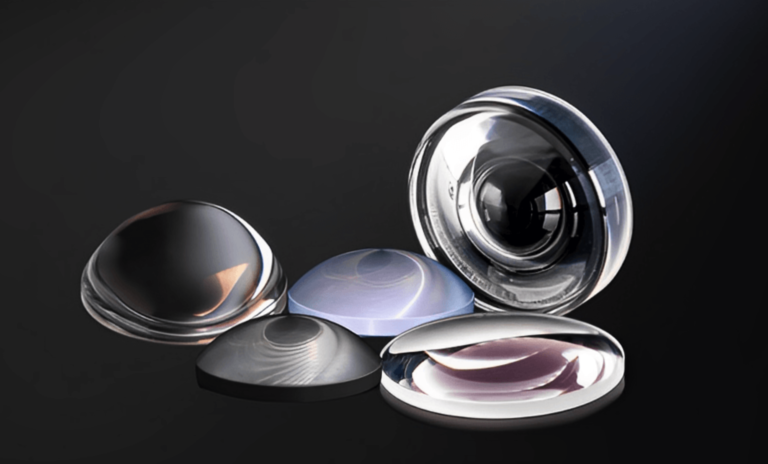
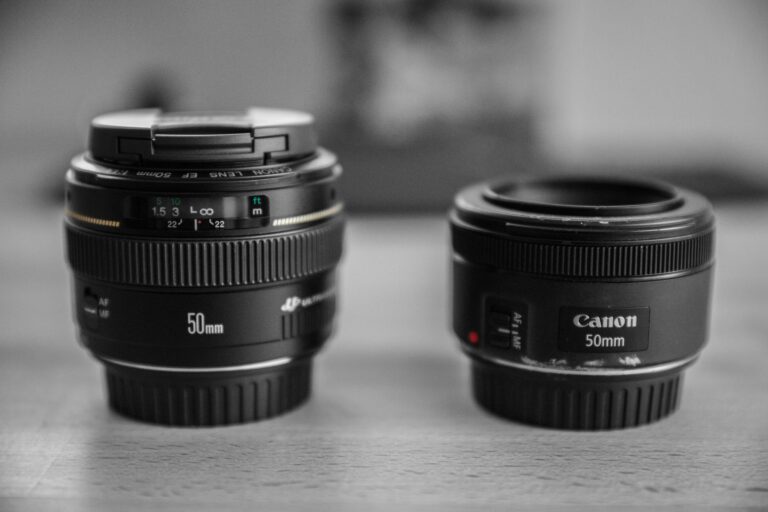
Lens coating quality is only half the picture — the glass itself varies considerably too. In the early days of commercial photography, lens flare was not an aesthetic choice. It was a problem. When light struck the uncoated glass surface of an early photographic lens, a significant percentage of that light bounced around inside the…
Why Secondhand Glass Deserves a First Look A photographer acquaintance once walked into a well-known camera store in Vancouver carrying a 1970s Nikon 105mm f/2.5 lens that had belonged to his father. He wanted to trade it toward a new lens of the same focal length. The salesman examined it, quoted him a modest trade-in…
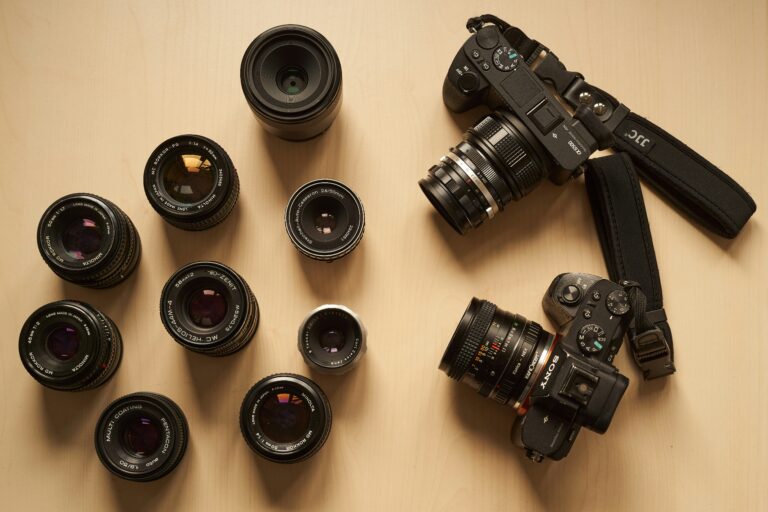
How to Start Smart, Buy with Purpose, and Avoid the Gear Trap There is a particular kind of photographer you encounter at camera clubs and online forums. They own seven lenses. They have spent, in aggregate, a substantial amount of money. They photograph their cat. This is not a character flaw. It is the entirely…
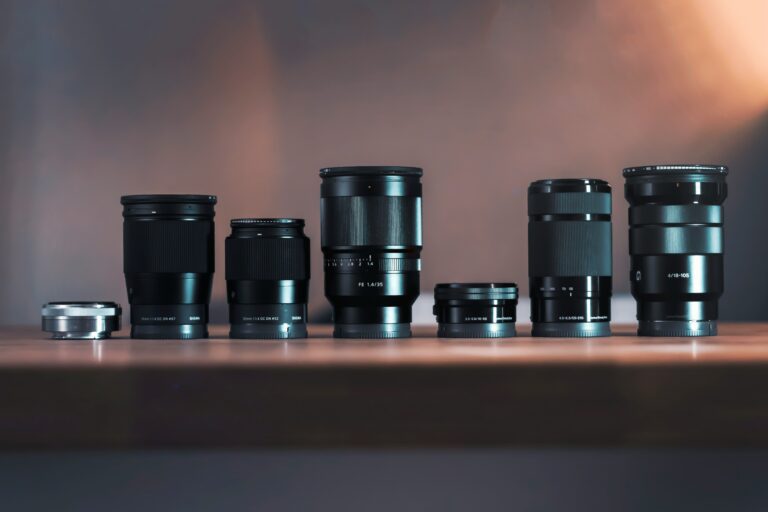
Understanding lens types — what they are designed to do, why they exist, and which photographic situations demand them — is the foundation of making good purchasing decisions and, more immediately, good photographs. This post is that foundation.
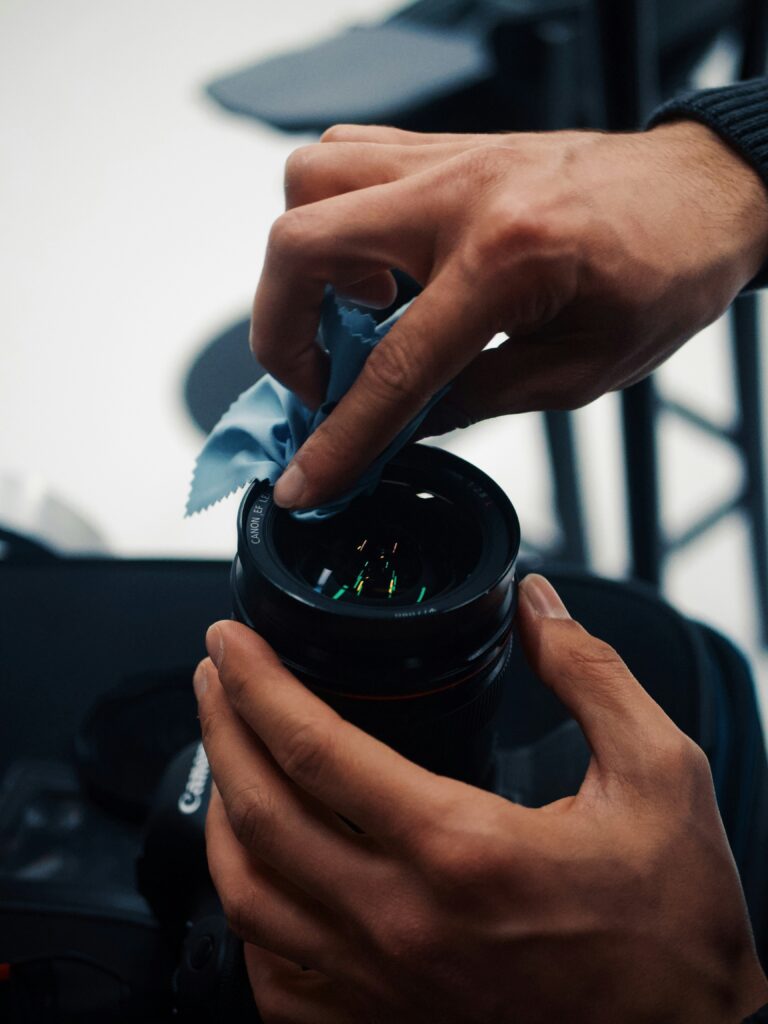
Keeping Your Glass in Peak Condition A wildlife photographer who had been working in the field for thirty years was once asked what single piece of advice he would give a younger photographer about equipment. He did not talk about focal lengths or camera bodies or autofocus systems. He said: store your lenses correctly, clean…