Is Buying a Used Camera Safe? What to Know Before You Buy
Table of Contents
Is buying a used camera safe when compared to buying a new one? The short answer is yes, as long as you buy from a seller who tests the equipment, discloses its condition honestly, and stands behind the sale with a warranty and return policy. The secondhand camera market has matured considerably, and knowledgeable buyers who know what to check can end up with reliable, professional-grade equipment at a fraction of the original price.
That said, “safe” doesn’t mean “risk-free.” A used camera hasn’t been through the same quality control as a brand-new one fresh from the factory, so the safety of your purchase comes down almost entirely to who you’re buying from and what protections are in place. Here’s what actually determines whether a used camera purchase is a smart move or a costly mistake.
Why the Used Camera Market Has Become More Trustworthy
A few years ago, buying secondhand gear mostly meant taking a stranger’s word for it on a classifieds site. That’s changed. Reputable used camera dealers now test functions before listing equipment, disclose cosmetic and mechanical condition honestly, and back purchases with limited warranties. Online photography communities and forums also make it far easier to research a seller’s reputation before committing to a purchase.
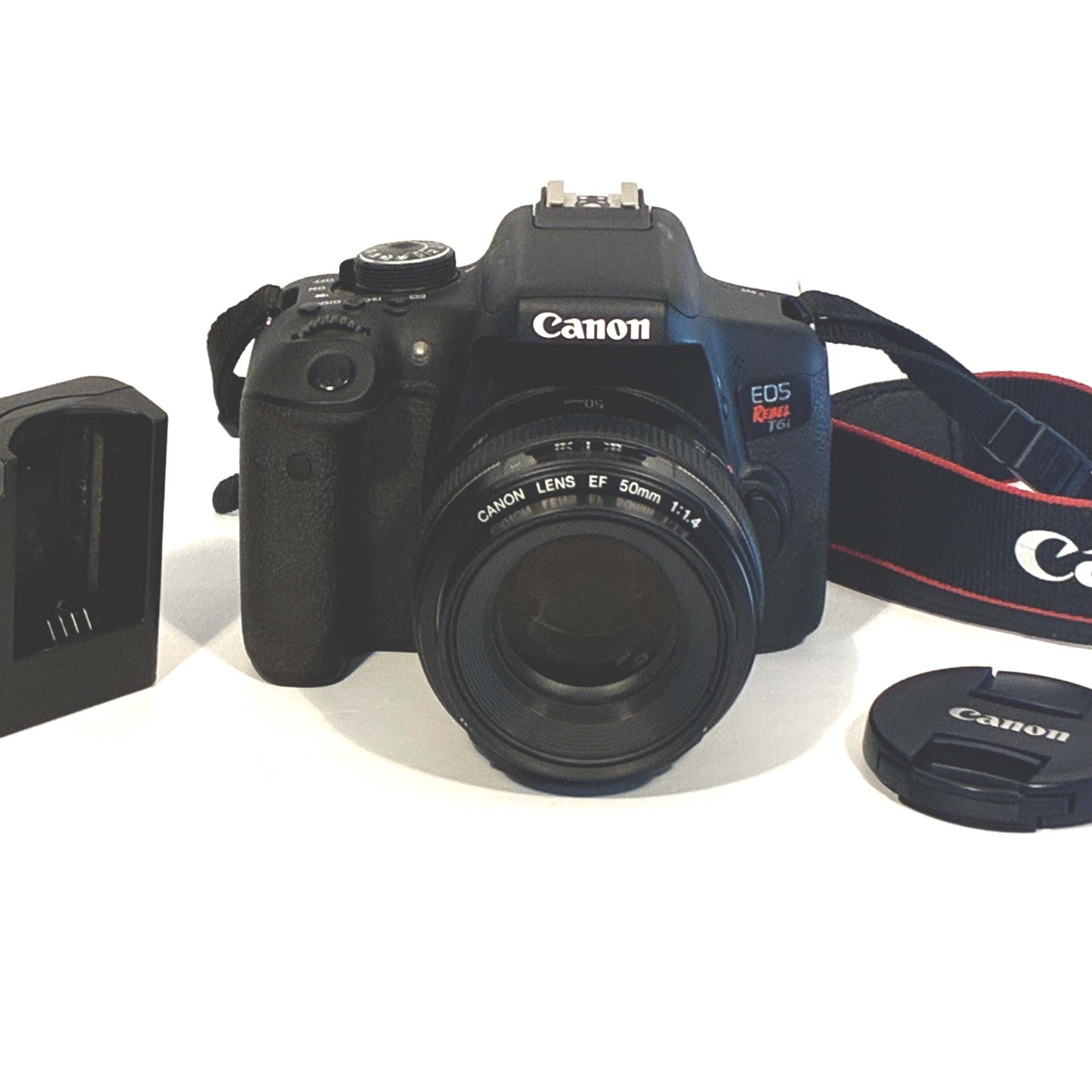
The other reassuring factor is durability. Digital camera bodies, particularly DSLRs, are built around mechanical and electronic components that are designed to withstand tens or hundreds of thousands of shutter actuations. A well-maintained camera that’s five or ten years old can still have a long working life ahead of it — cameras don’t wear out the way people sometimes assume. A camera like our used Nikon D3500 is a good example of a body that holds up well years after its original release.
The Main Risks — and How a Good Seller Removes Them
The real risks in buying used aren’t really about the camera itself; they’re about information. Specifically:
- Undisclosed damage. Sensor scratches, mount wear, or internal moisture damage that isn’t mentioned in the listing.
- Inflated condition claims. A listing described as “like new” that doesn’t hold up under inspection.
- No recourse if something’s wrong. Private sales often come with no warranty and no return option.
- Unknown usage history. Not knowing how heavily a camera was used, or in what conditions.
Every one of these risks is solved the same way: buy from a seller who tests each camera’s core functions before listing it, describes condition accurately (including the honest stuff, not just the flattering stuff), and offers a warranty period so you’re not stuck if a fault shows up in the first few weeks of ownership.
What to Look for in a Seller
Before you buy a used camera from anyone — online or in person — it’s worth checking for a few basics:
- Does the listing state that functions have actually been tested, or is it just a description copied from the camera’s original spec sheet?
- Is there a clear return policy if the camera arrives faulty or not as described?
- Is there some form of warranty period, even a short one?
- Does the seller have a track record you can verify — reviews, feedback, or a storefront history?
- Is shipping tracked, so you have a paper trail if something goes missing?
These protections aren’t just industry best practice for peace of mind — as DPReview’s guide to buying used gear points out, established used-gear retailers commonly offer warranty periods and return windows specifically because they know condition disputes are the biggest source of buyer regret. If a seller can answer yes to all of these, the safety of the transaction has very little to do with the fact that the camera is used, and everything to do with the fact that you’re buying from someone accountable.
The Bottom Line
A used camera from a tested, warrantied source is, in practical terms, just as safe a purchase as a new one — often safer, since you’re buying from a seller who has already put the specific unit through its paces rather than relying on factory quality control alone. Over the next several articles in this series, we’ll walk through exactly what to check before buying, how to read a shutter count, how to store and care for your camera once you own it, and what a reasonable warranty should actually cover.