Lesson 9 — Crop Sensor vs. Full Frame
Lesson 9: Crop Sensor vs. Full Frame — What Sensor Size Actually Changes
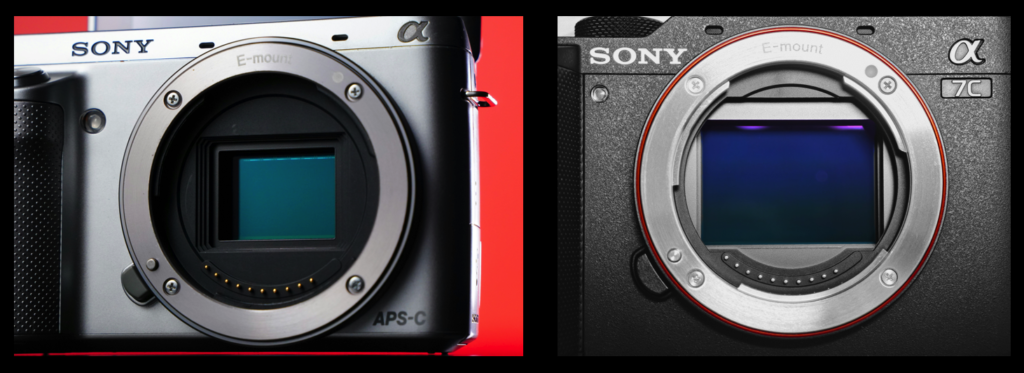
Every DSLR and mirrorless camera has one of two main sensor sizes: crop sensor (called DX by Nikon) or full frame (called FX by Nikon). Both the Nikon D3500 and D5500 we’ve referenced throughout this course are DX, crop-sensor cameras — which makes this lesson directly relevant to what’s actually sitting in most beginners’ hands. Crop sensor vs full frame is one of the most-searched questions in photography, and the honest answer is more nuanced than “bigger is always better.” This lesson covers exactly what sensor size changes, and what it doesn’t.
What “Crop Sensor” Actually Means
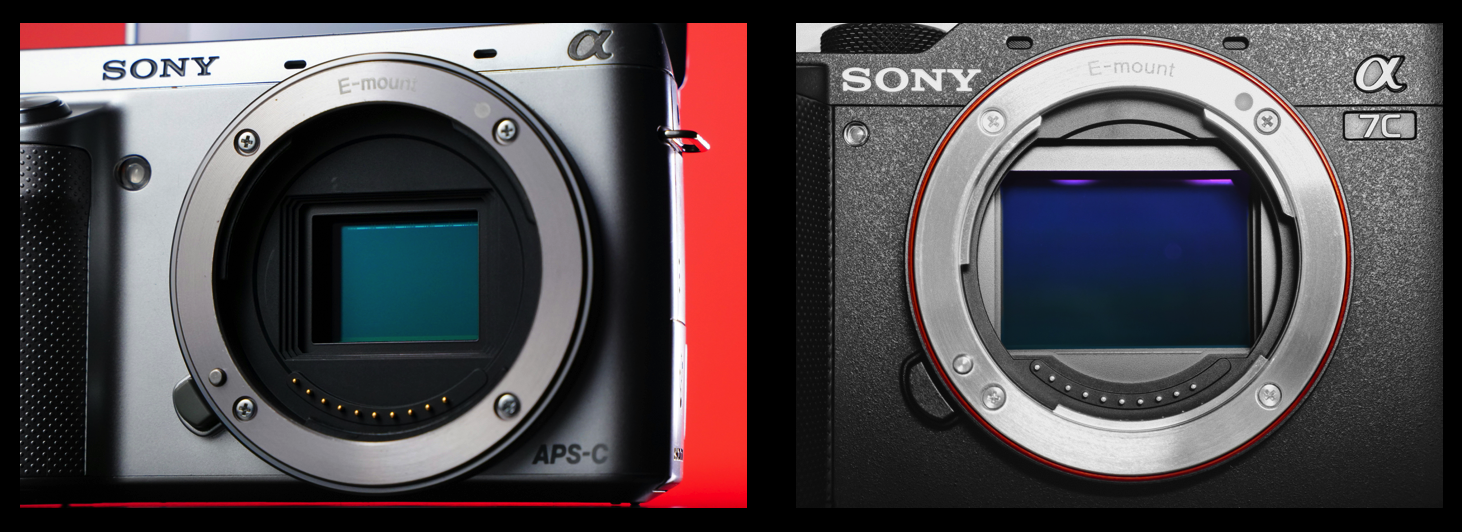
A full-frame sensor measures the same size as a 35mm film frame, 36mm x 24mm. Nikon’s FX format cameras use this size, giving a 1.0x crop factor — meaning no magnification effect at all. A crop sensor, or DX format on Nikon, measures roughly 24mm x 16mm — physically smaller, which is why it’s called a “crop”: it captures a smaller portion of the image the lens projects, resulting in a 1.5x crop factor.
How Crop Factor Changes Field of View
Nikon’s own explanation is direct: a DX sensor covers a smaller portion of the image projected by the lens, so a 24mm lens on a DX camera produces an angle of view roughly equivalent to a 36mm lens on an FX camera. Nothing about the lens itself changes — the same 24mm lens still projects the same image circle — but the smaller DX sensor only captures the center portion of that circle, which crops out the wider edges and makes the resulting photo look more “zoomed in.”
Photography Life’s detailed comparison of DX and FX puts it plainly: take a full-frame photo with a given lens, crop roughly 1.5x off each side, and you get the same composition as shooting that identical lens on a DX camera from the same spot. The pixel count may differ between sensors, but the framing is mathematically identical.
Why This Matters for Telephoto and Wide-Angle Shooting
Digital Camera World’s explanation of crop-sensor cameras highlights the practical trade-off: that same 1.5x crop factor is genuinely useful for wildlife and sports photography, since it makes a telephoto lens appear to reach further without buying a longer, more expensive lens. The same crop factor works against you for wide-angle and landscape photography, though — it crops away the widest edges of the scene, which is exactly the opposite of what a landscape shooter usually wants.
Depth of Field and Low-Light Performance
Sensor size affects more than framing. A larger FX sensor gathers more light per pixel and, all else equal, produces less visible noise at a given ISO than a smaller DX sensor — directly relevant to the noise trade-offs from Lesson 6. Nikon notes that the FX sensor’s larger light-gathering area offers higher sensitivity and generally lower noise than DX.
Depth of field is affected too, though not quite the way many beginners assume. To frame an identical shot, a DX shooter typically stands closer to their subject than an FX shooter using the same focal length — and that closer distance produces a shallower depth of field than the crop factor alone would suggest, partially offsetting the difference. In practice, full-frame cameras still tend to produce shallower depth of field and more pronounced background blur at equivalent settings, but the gap is smaller than a simple “1.5x crop factor” comparison implies.
Lens Compatibility Between DX and FX
Nikon designed the system to work both ways. FX (full-frame) lenses mount and work perfectly on DX bodies — they simply project a larger image circle than the DX sensor needs, with no downside. DX lenses, designed specifically for the smaller sensor, can also be mounted on FX bodies, but the camera automatically engages a DX crop mode to avoid vignetting, which uses only the center of the FX sensor and reduces the final resolution. This is worth knowing if you ever upgrade from a DX body like the D3500 to an FX body down the road — your DX lenses will still work, just with a resolution penalty in that mode.
Which Format Should a Beginner Choose?
For most people starting out, DX cameras like the D3500 and D5500 make an excellent entry point: they’re smaller, lighter, less expensive, and the crop factor is a genuine advantage for telephoto shooting rather than a compromise. Full-frame bodies cost more, both for the body itself and the lenses built for it, and their main real-world advantages — better low-light performance and slightly shallower depth of field — matter most to photographers already pushing the limits of what a crop sensor can do.
What You Now Know About Crop Sensor vs. Full Frame
Crop sensor (DX) and full frame (FX) differ in physical sensor size, not in the lenses that fit them. A DX sensor’s 1.5x crop factor narrows field of view compared to FX, which helps telephoto reach but hurts wide-angle shooting. Full-frame sensors generally produce less noise at high ISO and slightly shallower depth of field, but DX cameras remain smaller, more affordable, and entirely capable — which is exactly why they make such a strong starting point for a beginner building their first kit.
Next: Lesson 10 — Choosing Your First Camera: A Beginner’s Buying Framework
➤ Browse the Used Nikon D3500 or Nikon D5500 — Good Used Cameras
Sources
Nikon USA — The DX and FX Formats
Photography Life — Nikon DX vs FX: A Detailed Analysis and What You Need to Know
Digital Camera World — What Is an APS-C Camera?
✅ Fact-checked against Nikon USA, Photography Life, and Digital Camera World. All technical claims — crop factor math, field-of-view effects, noise performance, depth-of-field nuance, and DX/FX lens compatibility — confirmed accurate as of July 2026.