Lesson 10 — Choosing Your First Camera
Lesson 10: Choosing Your First Camera — A Beginner’s Buying Framework
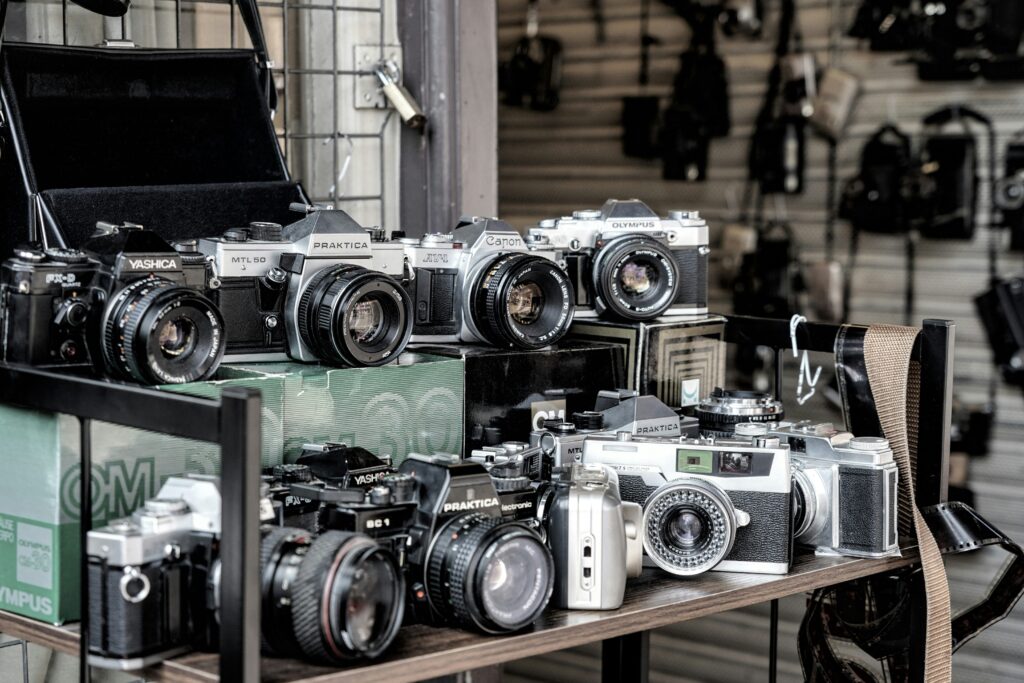
Nine lessons in, you now understand more about how a camera actually works than most people ever learn: the exposure triangle, aperture, shutter speed, ISO, camera modes, autofocus, and sensor size. This final lesson brings it all together into a practical buying framework — because understanding the theory only pays off once it helps you choose the right camera, without overspending on features you don’t need yet.
Start With Sensor Size, Not Megapixels
From Lesson 9, you know a crop sensor (DX) camera is a smaller, lighter, more affordable format than full frame (FX) — and for a first camera, that’s exactly the right starting point, not a compromise. Megapixels matter far less than most beginners assume: Photography Life’s breakdown of megapixels notes that the vast majority of photographers never need more resolution than an entry-level camera already provides, and chasing higher megapixel counts rarely produces a visible improvement in the photos that matter. Sensor size, image quality, and how a camera handles in your hands matter far more than a spec-sheet megapixel number.
Know What Body Types Are Worth Considering
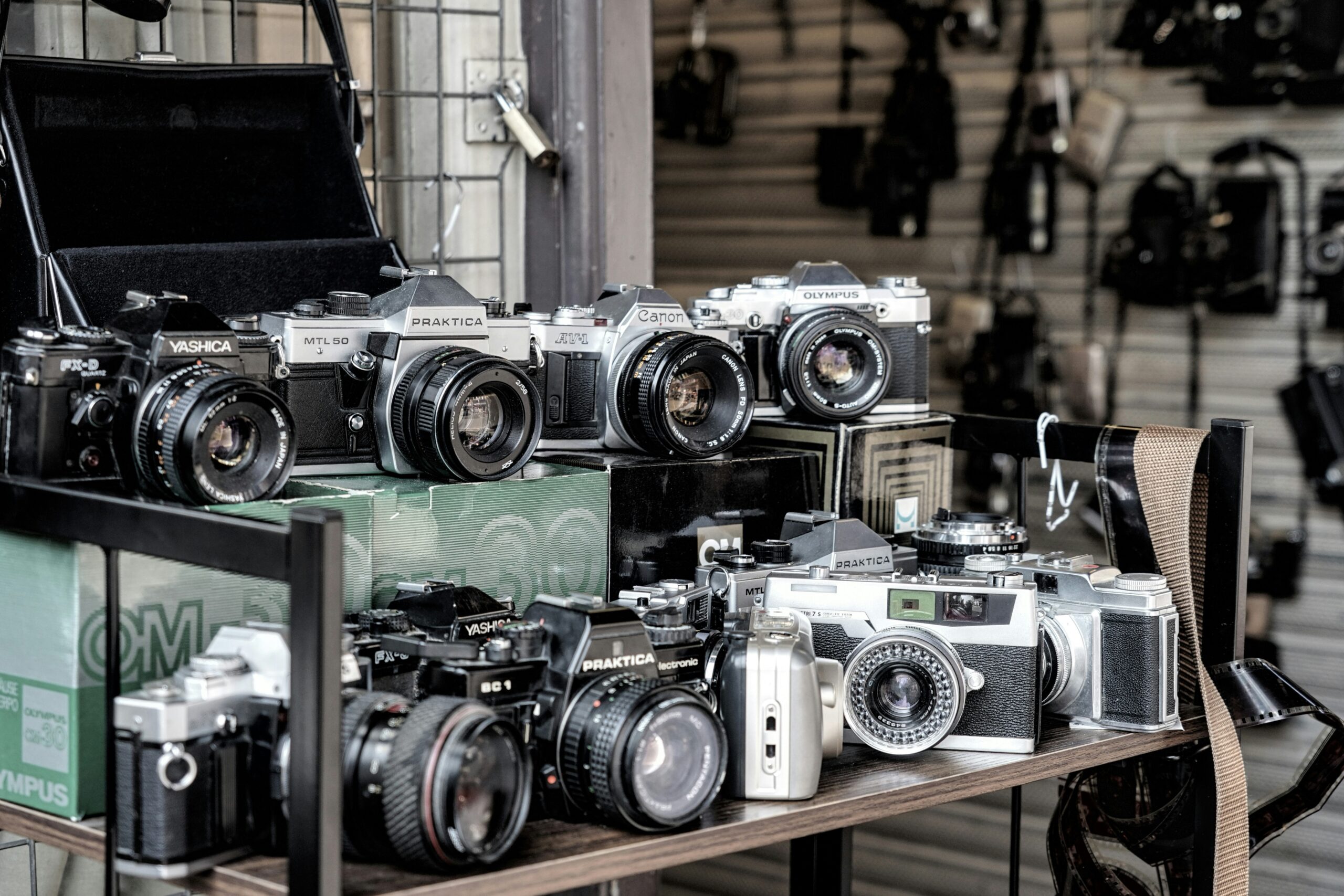
Lesson 2 covered DSLR, mirrorless, and point-and-shoot cameras in detail. For a first interchangeable-lens camera, a used DSLR remains one of the smartest entry points available: the same sensor technology and image quality as when it was new, at a fraction of a new mirrorless body’s price, with a mature, affordable lens ecosystem already built up around it.
Understanding Shutter Count on a Used Camera
Since this course is specifically about buying used, shutter count deserves its own explanation. Every DSLR’s mechanical shutter is rated for a certain number of actuations — essentially, the camera’s equivalent of mileage on a used car. Digital Camera World’s explanation of shutter count notes that entry-level cameras are typically rated for tens of thousands of actuations, with more advanced bodies rated considerably higher. A used camera with a low shutter count relative to its rating still has the vast majority of its mechanical life ahead of it — which is exactly the kind of detail a reputable used camera seller should be able to tell you upfront.
Autofocus Points and Modes: How Much Do You Need?
Lesson 8 covered AF-S, AF-C, and AF-area modes in depth. For a first camera, a simpler autofocus system with fewer focus points is genuinely fine — the fundamentals (locking focus on a stationary subject, tracking a moving one) work the same way whether a camera has 9 focus points or 51. More advanced autofocus systems earn their keep in fast-paced genres like sports and wildlife; a beginner learning portraits, landscapes, and everyday photography won’t be held back by an entry-level AF system.
What Actually Matters for a First Camera
- Sensor size: a DX/crop sensor is the right, affordable starting point — not a downgrade.
- Shutter count and physical condition: a low shutter count relative to the model’s rated lifespan, with clean glass and no signs of damage.
- A kit lens or fast prime to start: from Lessons 4 and 5, an 18-55mm kit lens or a 35mm/50mm prime covers most beginner shooting situations.
- Manual mode access: from Lesson 7, every camera worth buying gives you Aperture Priority, Shutter Priority, and full Manual — features present on virtually every DSLR ever made, even entry-level ones.
- Megapixels last: a nice-to-have, not a deciding factor — from Photography Life’s guidance above, resolution is one of the least important specs for a beginner to weigh heavily.
Putting the Framework to Work
A well-maintained used DX-format DSLR, with a documented low shutter count, a kit lens or affordable prime, and full manual exposure control, checks every box this course has covered — at a fraction of what the same capability costs new. That’s the exact profile of the cameras in our own store: bodies like the Nikon D3500 and Nikon D5500, both DX-format, both fully capable of everything taught across these ten lessons.
Where to Go From Here
Once you’ve chosen a body, the next decision is lenses — and that’s exactly what our companion course, All About Lenses, walks through in the same lesson-by-lesson format as this one. Between the two courses, you now have a complete, honest foundation for buying and understanding a camera system without getting talked into gear you don’t need.
What You Now Know: A Complete Beginner’s Framework
Ten lessons ago, camera terminology probably felt like a wall of acronyms. Now you understand what a DSLR actually does mechanically, how aperture, shutter speed, and ISO work together as the exposure triangle, which camera mode to reach for in any situation, how autofocus decides where and when to focus, what sensor size does and doesn’t change, and how to evaluate a used camera on its actual merits rather than its spec sheet. That’s a genuinely complete foundation — and it’s exactly what separates a confident first-time buyer from someone guessing at the register.
➤ Browse All Used Nikon Cameras — Good Used Cameras
Sources
Digital Camera World — What Is Camera Shutter Count, and How Do You Find Out Yours?
Photography Life — What Are Megapixels and How Many Do You Need?
Photography Life — A Beginner’s Guide to Buying Cameras
✅ Fact-checked against Digital Camera World and Photography Life. All claims — shutter count/actuation ratings, megapixel guidance, and buying framework recommendations — confirmed accurate as of July 2026.