Lesson 2: DSLR vs. Mirrorless vs. Point-and-Shoot — Understanding the Three Types of Cameras
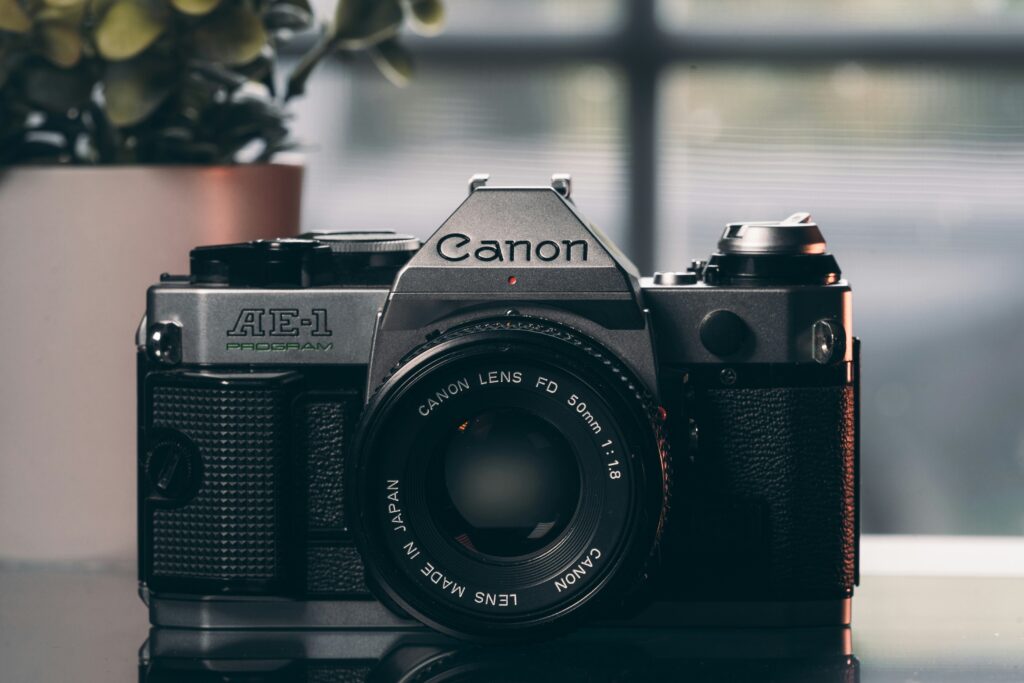
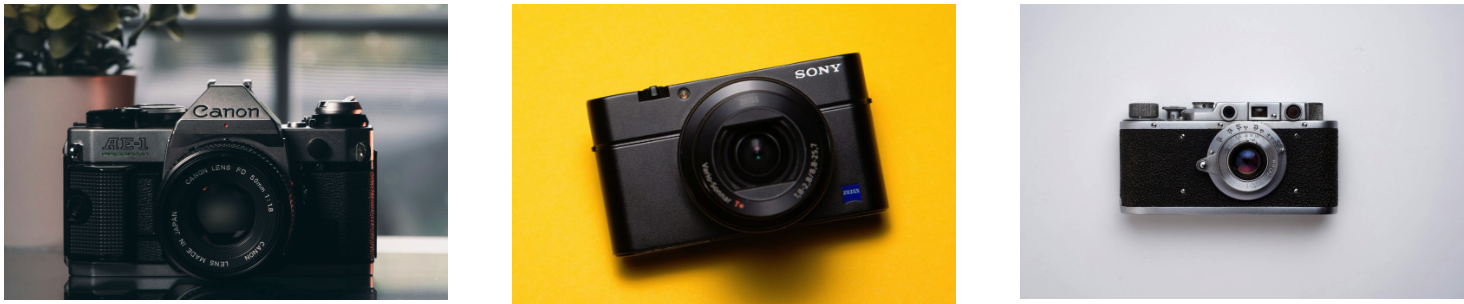
DSLR
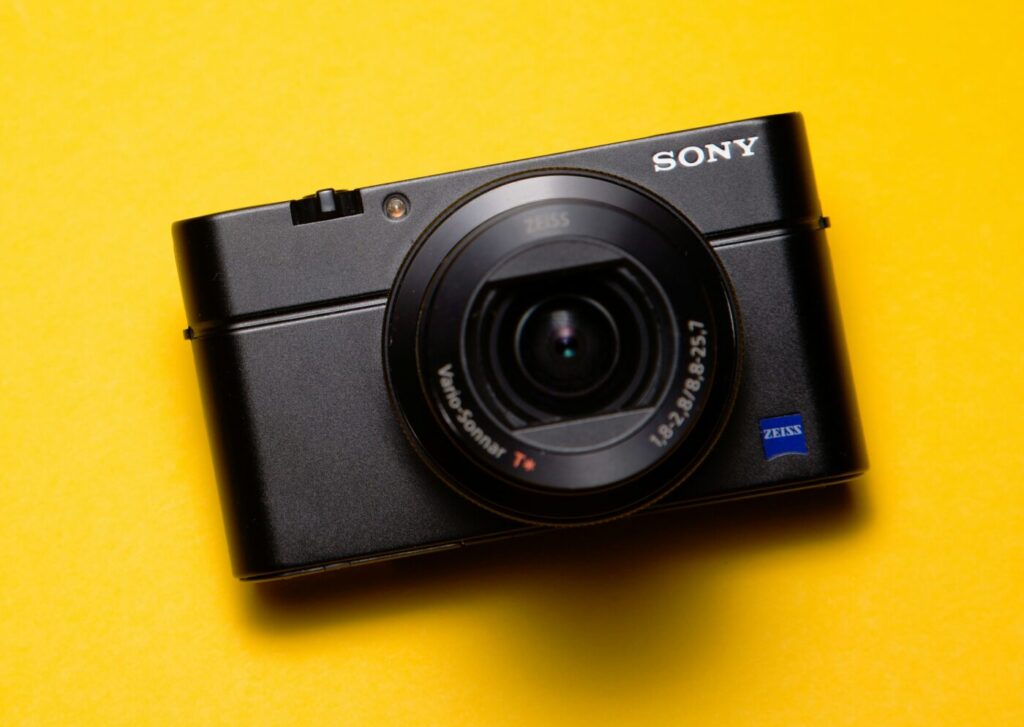
POINT & SHOOT
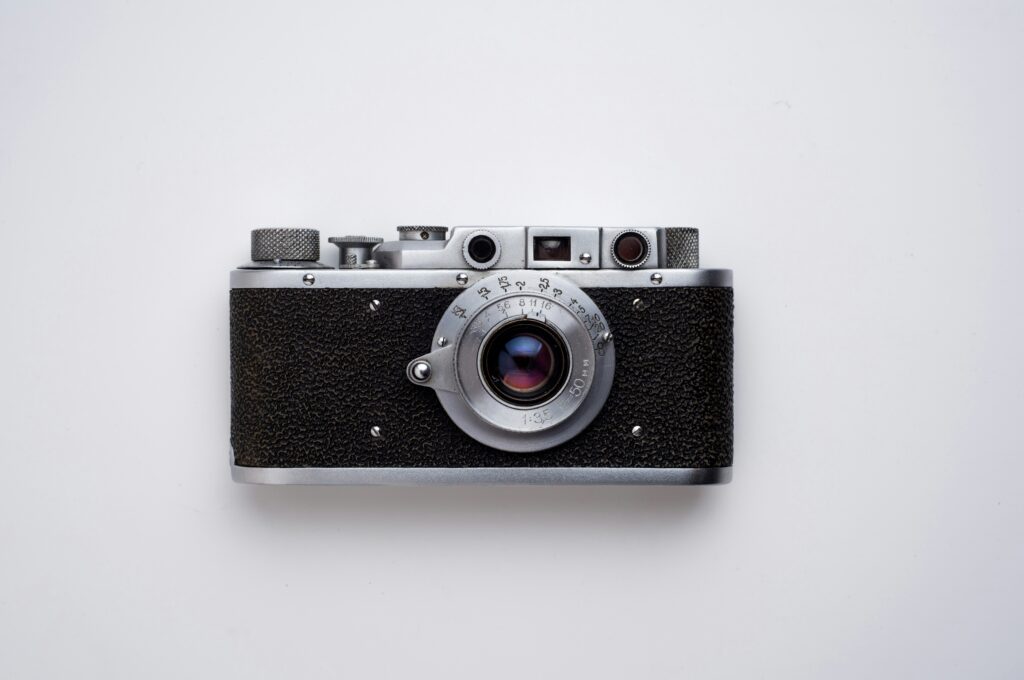
FILM
Lesson 2: DSLR vs. Mirrorless vs. Point-and-Shoot — Understanding the Three Types of Cameras
In Lesson 1, we covered how a camera works at the component level: lens, aperture, shutter, sensor. But before you can put any of that to use, you need to actually choose a camera — and every camera on the market falls into one of three categories. Understanding DSLR vs mirrorless vs point-and-shoot differences is the first practical decision every new photographer faces, and it shapes everything downstream: how the camera feels in your hands, what it costs, and which lenses you can eventually add to it. This lesson breaks down what separates the three types, honestly and without brand bias.
What Makes a DSLR a DSLR
DSLR stands for digital single-lens reflex. Inside the camera body sits a mirror, angled at 45 degrees, positioned directly behind the lens. Light entering the lens hits this mirror and bounces upward into an optical viewfinder, so what you see through the viewfinder is the actual scene, viewed directly through the glass, with no digital processing or delay. When you press the shutter button, the mirror flips up and out of the way for a fraction of a second, allowing light to reach the sensor and expose the image, then flips back down.
This mechanical design has a knock-on effect on autofocus. Because the mirror covers the sensor except during the actual exposure, DSLRs traditionally use a separate autofocus sensor located beneath the mirror box, relying on phase-detection. This is fast and reliable for viewfinder shooting, but it means the camera effectively runs two different autofocus systems — one for viewfinder shooting, and a slower, sensor-based system for Live View. Digital Camera World’s comparison of the two formats is a good technical reference if you want to go deeper into how each autofocus approach performs in practice.
What Makes a Camera Mirrorless
A mirrorless camera removes the mirror and optical viewfinder entirely. Light passes straight through the lens to the sensor at all times, and what you see — whether through an electronic viewfinder (EVF) or the rear screen — is a live digital feed generated by the sensor itself. Because there’s no mirror box to accommodate, mirrorless bodies can be built smaller and lighter than an equivalent DSLR.
The autofocus advantage runs the other way from DSLRs: since the sensor is always active, mirrorless cameras use a single autofocus system for both viewfinder and screen shooting, and modern mirrorless autofocus has caught up to — and in tracking and frame coverage, generally surpassed — DSLR phase-detection systems. In-body image stabilisation is also far more common on mirrorless bodies, since removing the mirror box frees up internal space for stabilisation hardware.
Point-and-Shoot Cameras: Simplicity in a Fixed Lens
A point-and-shoot — also called a compact camera — has a lens permanently built into the body. You cannot swap it for a different lens, which is the single defining difference between a point-and-shoot and either a DSLR or a mirrorless camera. In exchange for that limitation, you get a camera that’s small, simple, and ready to shoot with no decisions about which lens to mount.
Most point-and-shoot cameras use sensors considerably smaller than those in a DSLR or mirrorless body, which limits low-light performance and background blur compared to an interchangeable-lens camera. A small number of premium compacts use larger sensors closer in size to what you’d find in an entry-level DSLR, but they’re priced accordingly. For a beginner deciding between the three formats, a point-and-shoot suits casual, grab-and-go shooting; it isn’t the format this course is built around, since our focus is on the interchangeable-lens systems — DSLR and mirrorless — where you’ll actually be building a kit.
DSLR vs. Mirrorless vs. Point-and-Shoot: Key Differences at a Glance
| Feature | DSLR | Mirrorless | Point-and-Shoot |
|---|---|---|---|
| Viewfinder | Optical (direct, no delay) | Electronic (digital preview) | Usually screen only |
| Interchangeable lenses | Yes | Yes | No — fixed lens |
| Body size and weight | Larger, heavier | Smaller, lighter | Smallest |
| Battery life | Generally longer | Generally shorter (EVF draws power) | Varies, often shorter |
| Autofocus in continuous/video use | Slower (Live View mode) | Fast, continuous | Varies by model |
| Burst shooting speed | Limited by mirror movement | Faster, no mechanical mirror | Varies by model |
Why DSLR vs. Mirrorless Matters When Buying a Used Camera
If you’re leaning toward the optical viewfinder, longer battery life, and lower price of a DSLR, browse our used Nikon D3500 listing or the Nikon D5500 — both are excellent, well-regarded entry-level bodies. You can also see everything currently in stock on our Nikon Cameras page.
What You Now Know About DSLR vs. Mirrorless vs. Point-and-Shoot
A DSLR uses a mirror and optical viewfinder, giving you a direct, real-time view of the scene along with strong battery life and a mature, affordable used lens market. A mirrorless camera skips the mirror entirely, trading it for an electronic viewfinder, a smaller body, and generally faster, more sophisticated autofocus. A point-and-shoot trades the ability to change lenses for maximum simplicity and portability. None of the three is universally “better” — each is a different tool built around a different set of trade-offs, and the right choice depends on what and how you plan to shoot.
The next lesson goes deep into the single concept that governs every exposure decision you’ll ever make with any of these camera types: the exposure triangle.
Next: Lesson 3 — The Exposure Triangle: How ISO, Aperture, and Shutter Speed Work Together
➤ Browse Used Nikon Cameras — Good Used Cameras
Sources
Canon Europe — DSLR vs Mirrorless Cameras: Which Is Better?
Digital Camera World — DSLR vs Mirrorless Cameras Compared
DPReview — Point-and-Shoot, DSLR, or Mirrorless: How to Choose
✅ Fact-checked against Canon Europe, Digital Camera World, and DPReview. All technical claims (mirror mechanism, autofocus behaviour, viewfinder type, DSLR discontinuation by Canon/Nikon since 2020) confirmed accurate as of July 2026.