The Lens Is the Camera: Why Glass Comes First When Building a Camera Kit
Why the Lens Matters More Than the Camera
The Lens Is the Camera: Why Glass Comes First When Building a Camera Kit
There is a story — told and retold in photography circles with the kind of reverence usually reserved for religious parables — about a photojournalist who showed up to cover a state dinner carrying a battered, duct-taped camera body worth perhaps sixty dollars at a garage sale. His editor panicked. The photographer shrugged, pointed to the lens mounted on the front, and said: “The camera records. The lens sees.”
He came back with the best images of the evening.
The story may be apocryphal. The principle is not.
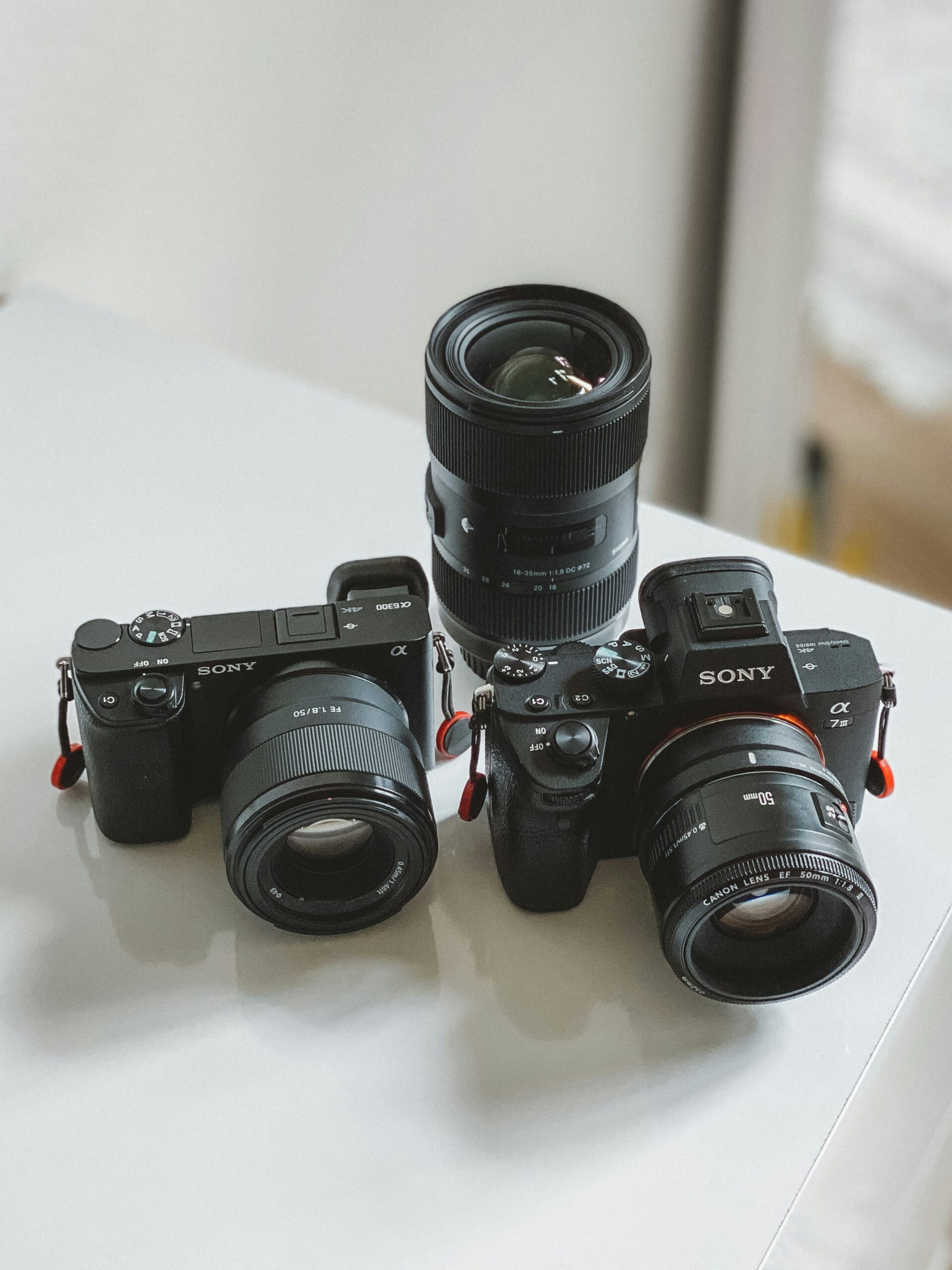
If you’re new to photography — or if you’ve been shooting for a while but find yourself stuck, wondering why your images look flat, soft, or uninspired — there’s a good chance the answer isn’t your camera body — it’s the lens vs camera body question at the heart of every kit decision. When it comes to lens vs camera body, the glass usually wins the argument, and understanding why is the single most important step you can take in building a camera kit that actually delivers the photographs you want.
The Camera Body Is a Box. A Very Good Box.
Modern camera bodies are genuinely impressive pieces of engineering. They manage autofocus systems, image stabilization, sensor readout speeds, weather sealing, burst rates, and video codecs. These things matter. Nobody is suggesting otherwise.
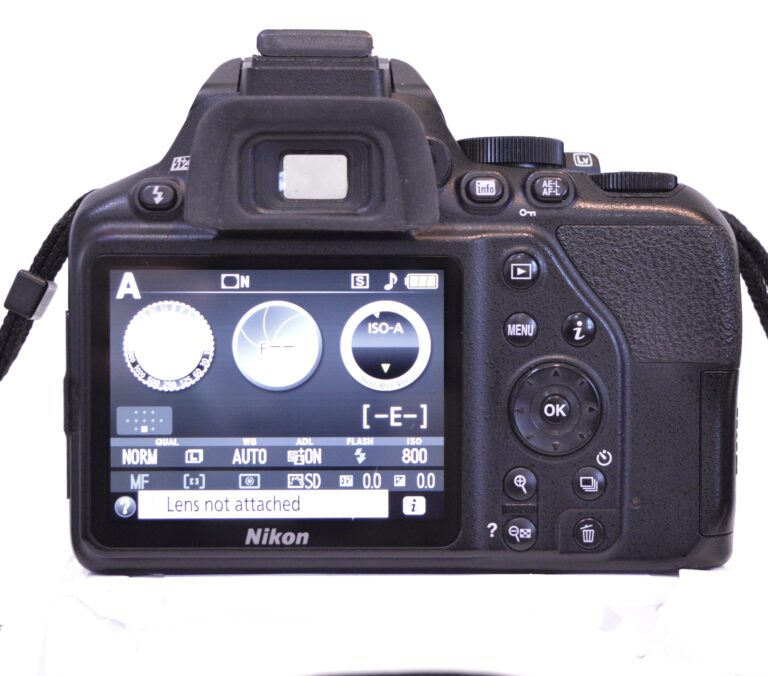
But here is the uncomfortable truth that camera marketing has spent decades trying to obscure: the camera body does not form the image. It records the image that the lens has already created. The sensor is simply a surface waiting to receive light that the lens has gathered, shaped, focused, and delivered. The lens does the creative work. The body takes notes.
As Canon’s own technical guidance on lens optics confirms, image quality begins with the glass, not the sensor.
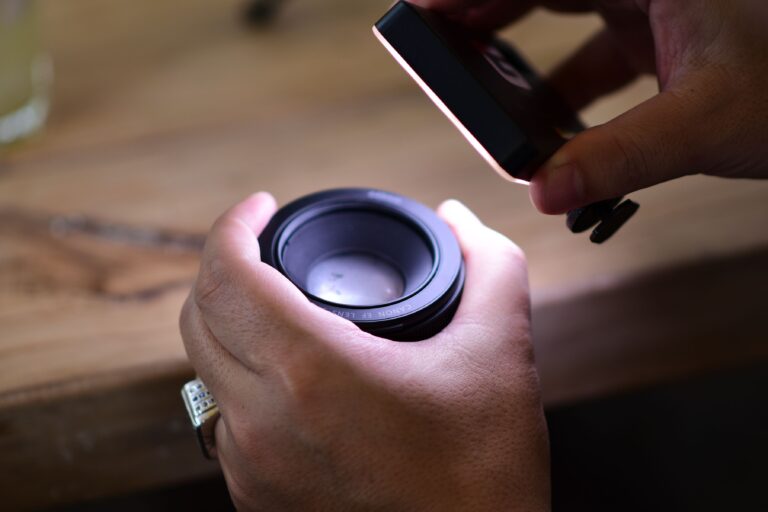
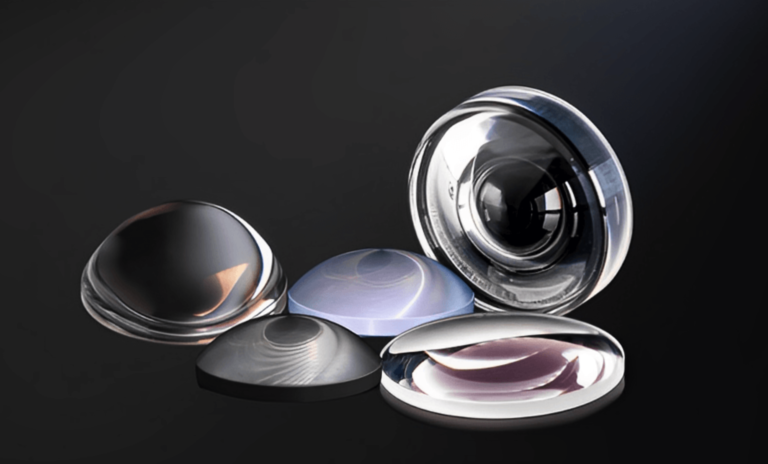
When light enters a camera, it passes first through a series of glass elements inside the lens. These elements bend and correct the light, controlling where it converges on the sensor plane. The quality of that optical formula — the precision of the glass, the design of the aperture, the effectiveness of the coatings — determines whether the final image is sharp and luminous, or soft and lifeless. The sensor records whatever the lens hands it. A poor lens on an expensive body produces poor images. A superb lens on a modest body produces remarkable ones.
Professional photographers have understood this for generations. It’s the reason working photographers routinely spend more on a single lens than on the camera body it sits on, and why the same lenses are passed down through careers and decades while bodies are replaced every few years. That’s the core of the lens vs camera body debate in a single sentence.
The Depreciation Argument: Lenses Hold Their Value. Bodies Don’t.
The lens vs camera body argument gets even clearer when you follow the money.
Here’s a financial reality that should influence every camera purchase you ever make: camera bodies depreciate like consumer electronics, because that’s what they are. The sensor technology, the autofocus processor, the video capabilities — these are all subject to the same relentless improvement cycle as smartphones and laptops. A flagship camera body that costs four thousand dollars today will be worth eight hundred dollars in five years.
Lenses don’t behave this way.
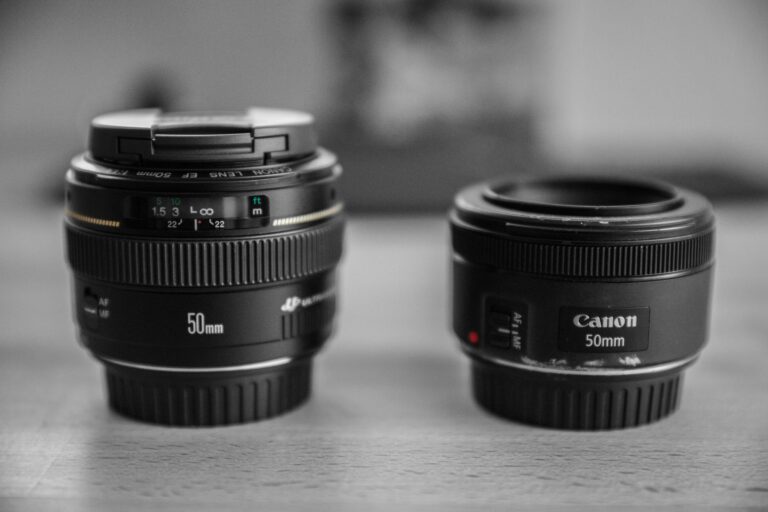
A well-made lens from a reputable manufacturer, properly cared for, retains the vast majority of its value over decades. Some classic lenses — the 50mm f/1.4 primes, the workhorse 70-200mm telephoto zooms, the macro lenses beloved by nature and product photographers — are worth nearly as much used as they were new, sometimes more, because the market recognises their optical quality simply isn’t improved upon by newer versions. The glass formula doesn’t age the way a processor does.
This makes lenses an investment in a way camera bodies aren’t. And it makes buying quality used camera lenses in Canada — from reputable sources, properly tested and graded — one of the most financially intelligent decisions a photographer can make. You get the optical quality of a premium lens at a fraction of the original purchase price, and that quality doesn’t diminish because it left the original packaging.
The Compatibility Advantage: One Lens, Many Bodies
This is where the lens-first philosophy becomes practically powerful.
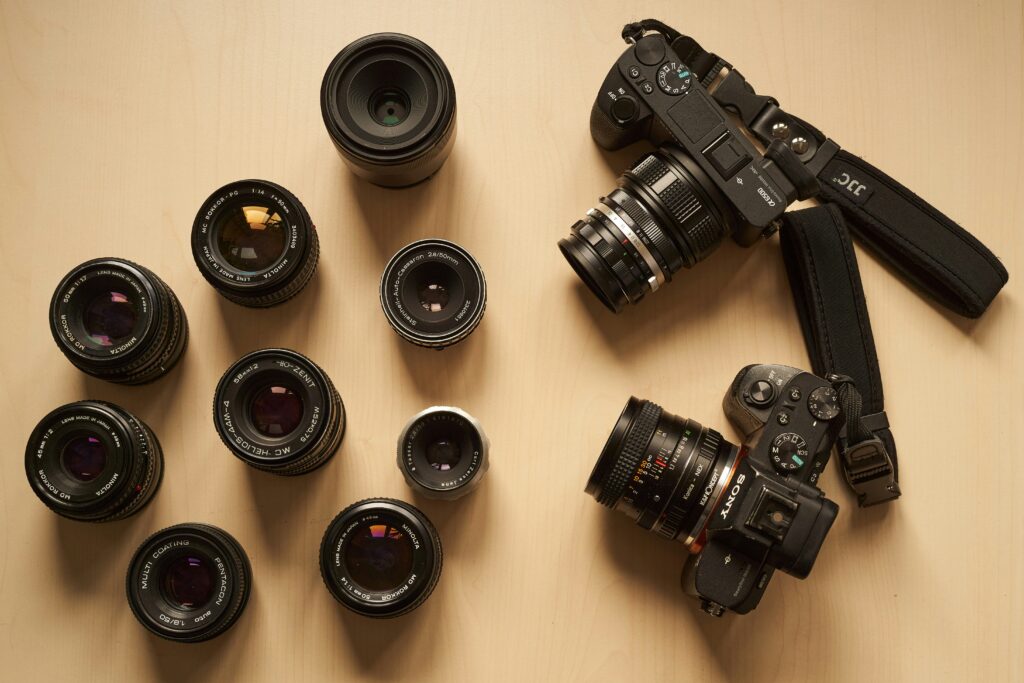
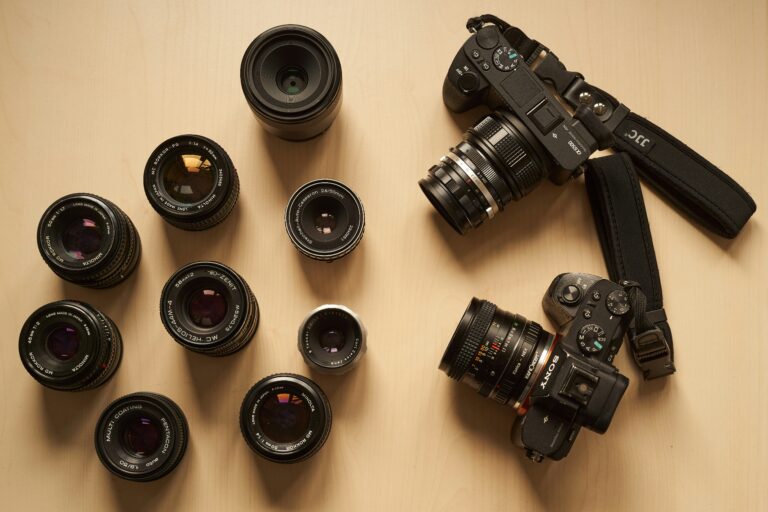
Most major camera manufacturers — Canon, Nikon, Sony, Fujifilm, Pentax, Olympus — use lens mount systems that have remained consistent for decades, or offer adapters that bridge older mounts to newer ones. A Canon EF lens made in 1992 can be mounted, via adapter, on a Canon mirrorless camera made in 2024. A Nikon F-mount lens from the 1980s still works on modern Nikon bodies. The glass outlasts the electronics by a generation.
This means that if you invest wisely in lenses first, those lenses can follow you through multiple camera bodies over the course of your photography life. When a new body comes out with better autofocus or a higher-resolution sensor, you can upgrade the body without abandoning your lens kit. The glass keeps delivering. Browse our used camera lenses here.
Think of it this way: the lens is the long-term relationship. The camera body is a phone contract — you replace it every few years and move on. Start with the lens, and every other decision becomes easier and cheaper.
Should You Upgrade Your Lens or Your Camera Body?
This is where many new photographers go wrong, and it’s a mistake that costs them money and, more painfully, missed photographs.
They walk into a camera store — or more commonly, browse an online retailer — and their first decision is the camera body. They pick a brand, a resolution, a price point. Then they buy the kit lens that comes in the box because it’s included and convenient, and suddenly they own a camera system without having asked the only question that actually matters: what am I going to photograph?
A portrait photographer, a wildlife photographer, an architectural photographer, and a street photographer all face fundamentally different optical problems. The focal lengths they need are different. The maximum apertures that serve them are different. The physical size and handling of the lens affects whether they can work quickly in their environment. None of this is determined by the camera body. All of it is determined by the lens.
The correct sequence for building a camera kit is:
- Decide what you want to photograph.
- Understand which lens types and focal lengths serve that kind of photography.
- Identify the best quality lens options within your budget for those requirements.
- Choose a camera body that accepts those lenses and fits your hands and workflow.
In that order. Not the other way around.
A Quick Word on Kit Lenses
The kit lens deserves a measured defence, because it’s easy to dismiss it entirely and that would be unfair.
The standard zoom lens included with most camera kits — typically an 18-55mm or 24-70mm equivalent with a variable maximum aperture — is a genuinely useful general-purpose tool for someone learning photography. It covers a versatile focal length range, it’s lightweight, and it costs the manufacturer very little to include because it’s produced in enormous volumes. For a beginner still figuring out composition, exposure, and how to handle a camera, it’s not a bad place to start.
But it’s a place to start, not a place to stay. Kit lenses are designed to a price point. The optical quality is adequate for casual photography and social media sharing, but it rarely delivers the image quality, background separation, low-light performance, or character that makes photography genuinely satisfying and compelling.
When that moment arrives — when you start to notice what your images are missing — you’ll be ready to have the real conversation: about focal length, about maximum aperture, about the specific optical properties that serve your kind of photography. That’s the conversation this series is designed to prepare you for.
The Conclusion That Changes How You Shop
The lens is the first order of importance in a camera kit. Full stop.
Not because camera bodies don’t matter — they do, and we’ll discuss them — but because the lens is the optical instrument that determines what your photographs can be. The body is the recording device. The lens is the eye.
Every photograph you admire — every portrait with that creamy, luminous background blur, every wildlife shot where the subject leaps from the frame with razor-sharp clarity while the surroundings dissolve into impressionistic colour, every sweeping architectural image where parallel lines remain true and proportions feel natural — was made possible first by a lens choice, not a body choice.
When you’re ready to build a camera kit, or improve the one you have, start with the glass. Understand what lenses do. Understand which ones serve your vision. Then invest accordingly — and don’t let the body be the reason you compromise on the optics.
In the posts that follow, we’ll break down exactly how lenses work, what the numbers on the barrel actually mean, and how to match the right lens to the right kind of photography. By the end of this series, you’ll shop for cameras completely differently than you do today — and your photographs will show it.
— — —
Next: Understanding Lens Fundamentals — What the Numbers on Your Lens Actually MeanWhy the Lens Matters More Than the Camera
The Lens Is the Camera: Why Glass Comes First When Building a Camera Kit
There is a story — told and retold in photography circles with the kind of reverence usually reserved for religious parables — about a photojournalist who showed up to cover a state dinner carrying a battered, duct-taped camera body worth perhaps sixty dollars at a garage sale. His editor panicked. The photographer shrugged, pointed to the lens mounted on the front, and said: “The camera records. The lens sees.”
He came back with the best images of the evening.
The story may be apocryphal. The principle is not.
If you’re new to photography — or if you’ve been shooting for a while but find yourself stuck, wondering why your images look flat, soft, or uninspired — there’s a good chance the answer isn’t your camera body. When it comes to lens vs camera body, the glass usually wins the argument, and understanding why is the single most important step you can take in building a camera kit that actually delivers the photographs you want.
The Camera Body Is a Box. A Very Good Box.
Modern camera bodies are genuinely impressive pieces of engineering. They manage autofocus systems, image stabilization, sensor readout speeds, weather sealing, burst rates, and video codecs. These things matter. Nobody is suggesting otherwise.
But here is the uncomfortable truth that camera marketing has spent decades trying to obscure: the camera body does not form the image. It records the image that the lens has already created. The sensor is simply a surface waiting to receive light that the lens has gathered, shaped, focused, and delivered. The lens does the creative work. The body takes notes.
When light enters a camera, it passes first through a series of glass elements inside the lens. These elements bend and correct the light, controlling where it converges on the sensor plane. The quality of that optical formula — the precision of the glass, the design of the aperture, the effectiveness of the coatings — determines whether the final image is sharp and luminous, or soft and lifeless. The sensor records whatever the lens hands it. A poor lens on an expensive body produces poor images. A superb lens on a modest body produces remarkable ones.
Professional photographers have understood this for generations. It’s the reason working photographers routinely spend more on a single lens than on the camera body it sits on, and why the same lenses are passed down through careers and decades while bodies are replaced every few years.
The Depreciation Argument: Lenses Hold Their Value. Bodies Don’t.
Here’s a financial reality that should influence every camera purchase you ever make: camera bodies depreciate like consumer electronics, because that’s what they are. The sensor technology, the autofocus processor, the video capabilities — these are all subject to the same relentless improvement cycle as smartphones and laptops. A flagship camera body that costs four thousand dollars today will be worth eight hundred dollars in five years.
Lenses don’t behave this way.
A well-made lens from a reputable manufacturer, properly cared for, retains the vast majority of its value over decades. Some classic lenses — the 50mm f/1.4 primes, the workhorse 70-200mm telephoto zooms, the macro lenses beloved by nature and product photographers — are worth nearly as much used as they were new, sometimes more, because the market recognises their optical quality simply isn’t improved upon by newer versions. The glass formula doesn’t age the way a processor does.
This makes lenses an investment in a way camera bodies aren’t. And it makes buying quality used camera lenses in Canada — from reputable sources, properly tested and graded — one of the most financially intelligent decisions a photographer can make. You get the optical quality of a premium lens at a fraction of the original purchase price, and that quality doesn’t diminish because it left the original packaging.
The Compatibility Advantage: One Lens, Many Bodies
This is where the lens-first philosophy becomes practically powerful.
Most major camera manufacturers — Canon, Nikon, Sony, Fujifilm, Pentax, Olympus — use lens mount systems that have remained consistent for decades, or offer adapters that bridge older mounts to newer ones. A Canon EF lens made in 1992 can be mounted, via adapter, on a Canon mirrorless camera made in 2024. A Nikon F-mount lens from the 1980s still works on modern Nikon bodies. The glass outlasts the electronics by a generation.
This means that if you invest wisely in lenses first, those lenses can follow you through multiple camera bodies over the course of your photography life. When a new body comes out with better autofocus or a higher-resolution sensor, you can upgrade the body without abandoning your lens kit. The glass keeps delivering. Browse our used camera lenses here.
Think of it this way: the lens is the long-term relationship. The camera body is a phone contract — you replace it every few years and move on. Start with the lens, and every other decision becomes easier and cheaper.
Should You Upgrade Your Lens or Your Camera Body?
This is where many new photographers go wrong, and it’s a mistake that costs them money and, more painfully, missed photographs.
They walk into a camera store — or more commonly, browse an online retailer — and their first decision is the camera body. They pick a brand, a resolution, a price point. Then they buy the kit lens that comes in the box because it’s included and convenient, and suddenly they own a camera system without having asked the only question that actually matters: what am I going to photograph?
A portrait photographer, a wildlife photographer, an architectural photographer, and a street photographer all face fundamentally different optical problems. The focal lengths they need are different. The maximum apertures that serve them are different. The physical size and handling of the lens affects whether they can work quickly in their environment. None of this is determined by the camera body. All of it is determined by the lens.
The correct sequence for building a camera kit is:
- Decide what you want to photograph.
- Understand which lens types and focal lengths serve that kind of photography.
- Identify the best quality lens options within your budget for those requirements.
- Choose a camera body that accepts those lenses and fits your hands and workflow.
In that order. Not the other way around.
A Quick Word on Kit Lenses
The kit lens deserves a measured defence, because it’s easy to dismiss it entirely and that would be unfair.
The standard zoom lens included with most camera kits — typically an 18-55mm or 24-70mm equivalent with a variable maximum aperture — is a genuinely useful general-purpose tool for someone learning photography. It covers a versatile focal length range, it’s lightweight, and it costs the manufacturer very little to include because it’s produced in enormous volumes. For a beginner still figuring out composition, exposure, and how to handle a camera, it’s not a bad place to start.
But it’s a place to start, not a place to stay. Kit lenses are designed to a price point. The optical quality is adequate for casual photography and social media sharing, but it rarely delivers the image quality, background separation, low-light performance, or character that makes photography genuinely satisfying and compelling.
When that moment arrives — when you start to notice what your images are missing — you’ll be ready to have the real conversation: about focal length, about maximum aperture, about the specific optical properties that serve your kind of photography. That’s the conversation this series is designed to prepare you for.
The Conclusion That Changes How You Shop
The lens is the first order of importance in a camera kit. Full stop.
Not because camera bodies don’t matter — they do, and we’ll discuss them — but because the lens is the optical instrument that determines what your photographs can be. The body is the recording device. The lens is the eye.
Every photograph you admire — every portrait with that creamy, luminous background blur, every wildlife shot where the subject leaps from the frame with razor-sharp clarity while the surroundings dissolve into impressionistic colour, every sweeping architectural image where parallel lines remain true and proportions feel natural — was made possible first by a lens choice, not a body choice.
When you’re ready to build a camera kit, or improve the one you have, start with the glass. Understand what lenses do. Understand which ones serve your vision. Then invest accordingly — and don’t let the body be the reason you compromise on the optics.
In the posts that follow, we’ll break down exactly how lenses work, what the numbers on the barrel actually mean, and how to match the right lens to the right kind of photography. By the end of this series, you’ll shop for cameras completely differently than you do today — and your photographs will show it.
However you frame the lens vs camera body question, the answer doesn’t change.
— — —
Next: Understanding Lens Fundamentals — What the Numbers on Your Lens Actually Mean
One Comment