Lesson 3: The Exposure Triangle
Lesson 3: The Exposure Triangle — How ISO, Aperture, and Shutter Speed Work Together
In Lesson 2, we compared DSLR, mirrorless, and point-and-shoot cameras. Whichever type you own, every single photo it takes is governed by the same three settings, working together: aperture, shutter speed, and ISO. Photographers call this relationship the exposure triangle, and it’s the single most important concept in this entire course — once it clicks, you stop letting the camera guess and start making every exposure decision on purpose. This lesson walks through what each setting does, and how changing one always affects the other two.
The Three Corners of the Exposure Triangle
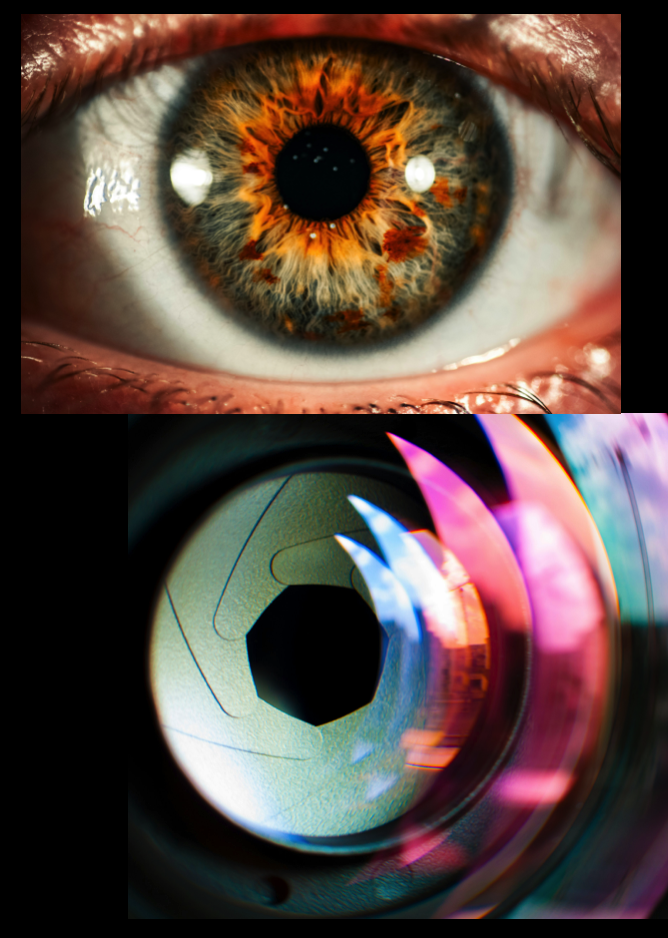
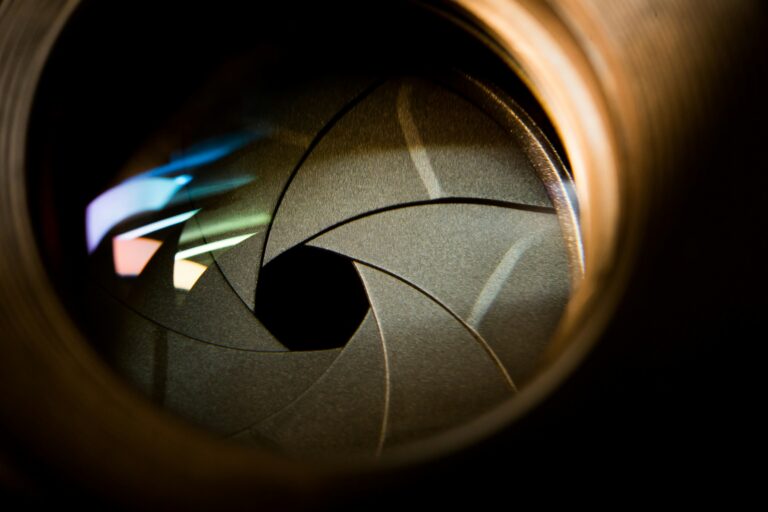
Aperture is the adjustable opening inside the lens that light passes through on its way to the sensor, measured in f-stops (f/1.8, f/4, f/8, and so on). A wider opening — a lower f-number — lets in more light and produces a shallower depth of field, blurring the background behind your subject. A narrower opening lets in less light and keeps more of the scene in focus.
Shutter speed is how long the sensor is exposed to light, measured in fractions of a second (1/1000, 1/125, 1/30). A fast shutter speed freezes motion; a slow one lets more light in but risks blurring anything that moves, including your own hand-shake.
ISO is the sensor’s sensitivity to light. A low ISO (100) needs more light to produce a correct exposure but gives the cleanest image. A high ISO (1600 and up) needs less light, letting you shoot in dim conditions, but introduces visible grain, or noise, into the photo.
The Concept That Ties the Triangle Together: Stops
Every setting in the exposure triangle is measured in the same underlying unit: a stop. One stop is a doubling or halving of the amount of light reaching the sensor. Widen your aperture by one stop, and you let in twice as much light. Double your shutter speed’s exposure time, and you also let in twice as much light. Double your ISO, and the sensor becomes twice as sensitive, which has the same practical effect as doubling the light. Photography Life’s beginner explanation of stops is a good next read if you want to see the concept worked through with real numbers.
This is why the exposure triangle actually works as a triangle: if you open the aperture by one stop to let in more light, you can close that gap by dropping the shutter speed by one stop, or the ISO by one stop, and land back on the same overall exposure. Nikon’s own explanation of this relationship puts it plainly — aperture, shutter speed, and ISO are inseparably connected, and adjusting any one always means reconsidering the other two to keep the exposure correct.
Why Adjusting One Setting Always Affects the Others
Say your camera meter tells you a correct exposure at f/5.6, 1/250 second, ISO 400. If you want a shallower depth of field for a portrait, you might open the aperture to f/2.8 — a two-stop change that lets in four times as much light. To keep the same overall exposure, you’d need to compensate by two stops elsewhere: a faster shutter speed of 1/1000 second, a lower ISO of 100, or some combination of both. None of these combinations is “more correct” than another mathematically — they all produce the same brightness — but each one changes the character of the photo differently, which is exactly why manual exposure gives you creative control that automatic modes don’t.
Depth of Field, Motion Blur, and Noise: The Trade-Offs
Each side of the triangle does double duty — it controls exposure, but it also shapes the look of the image in a way the others don’t:
- Aperture controls depth of field — how much of the scene, front to back, appears in focus.
- Shutter speed controls motion rendering — whether movement freezes sharply or streaks into blur.
- ISO controls image cleanliness — how much visible noise appears, especially in shadow areas.
Digital Camera World’s breakdown of the exposure triangle illustrates this well: a shutter speed of 1/250 sec doubles to 1/125 sec for one stop more light, an aperture of f/5.6 lets in twice as much light as f/8, and ISO 400 is twice as sensitive as ISO 200 — the same one-stop relationship running through all three settings. This is why there’s rarely a single “correct” combination for a scene, only combinations that trade one visual quality for another.
Why the Exposure Triangle Matters as You Learn Your Camera
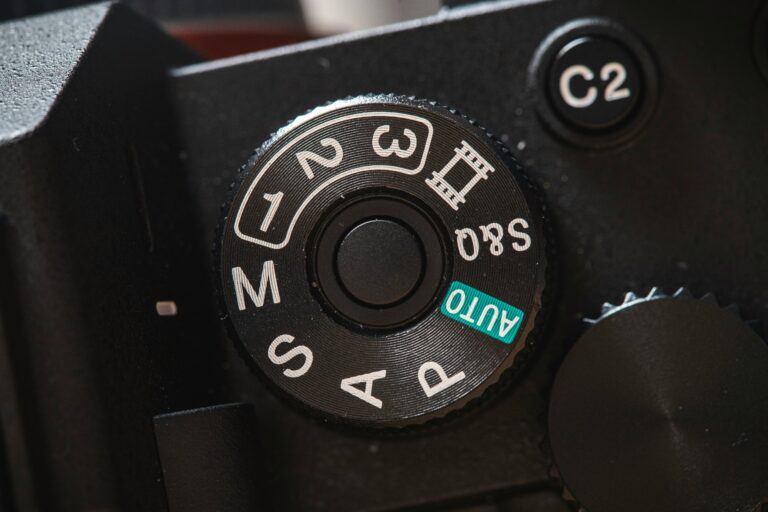
Every camera mode you’ll encounter in the next lesson — Program, Aperture Priority, Shutter Priority, and Manual — is really just a different way of letting you or the camera control these three settings. Aperture Priority lets you set the aperture and hands the shutter speed to the camera; Shutter Priority does the reverse; Manual hands you all three. None of those modes make sense until the exposure triangle does, which is why we’ve placed it here, before we get into camera modes in Lesson 4.
What You Now Know About the Exposure Triangle
The exposure triangle is the relationship between aperture, shutter speed, and ISO — three settings that all measure and adjust the same thing, light, in the same unit, stops. Change one, and at least one of the others has to move to keep the exposure balanced. Beyond brightness, each setting also shapes the photo creatively: aperture through depth of field, shutter speed through motion, and ISO through image noise. Once this relationship feels intuitive, every other camera setting you’ll ever adjust makes a lot more sense.
Next: Lesson 4 — Understanding Aperture: f-Stops, Depth of Field, and Bokeh
➤ Browse Used Nikon Cameras — Good Used Cameras
Sources
Nikon USA — A Basic Look at the Basics of Exposure
Photography Life — The Exposure Triangle: A Beginner’s Guide
Digital Camera World — Understanding the Exposure Triangle
✅ Fact-checked against Nikon USA, Photography Life, and Digital Camera World. All technical claims — stop relationships, aperture/depth-of-field, shutter speed/motion, and ISO/noise trade-offs — confirmed accurate as of July 2026.